Jeju Tangerine Picking in Winter: Farms, Season & Tips
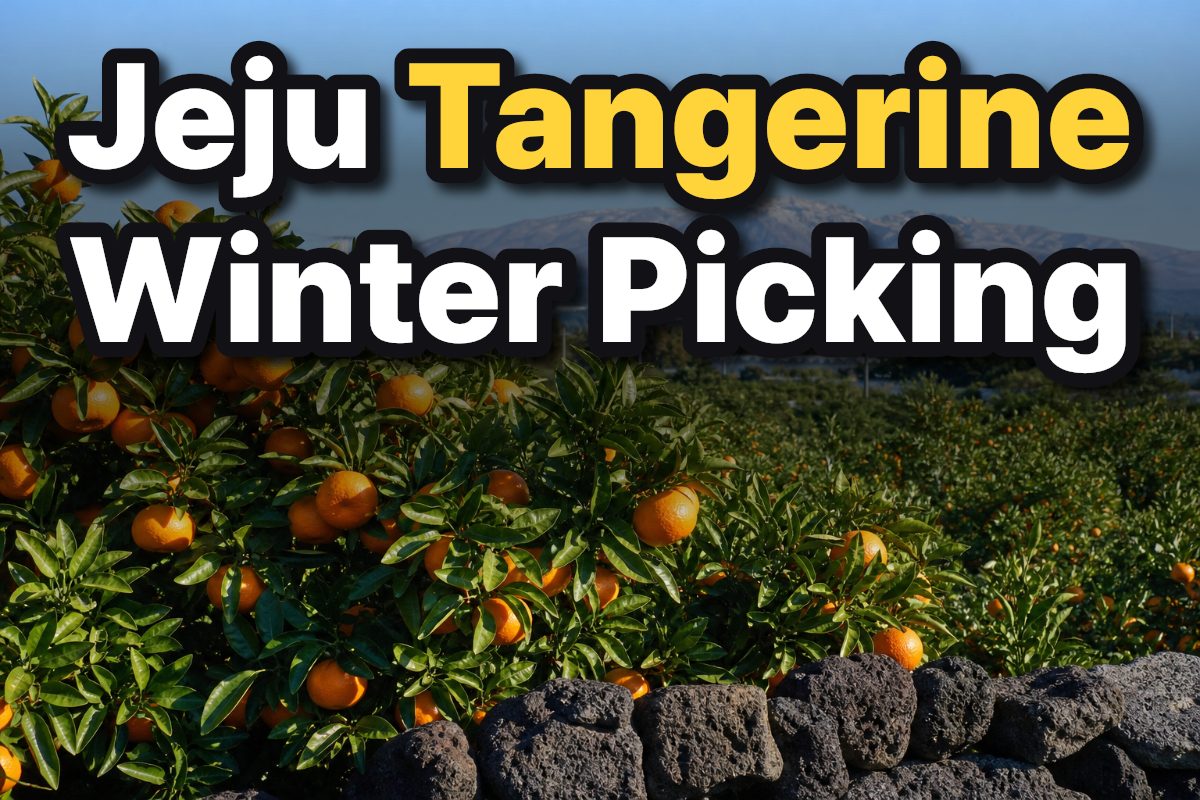
Jeju tangerine picking is easiest to plan for winter, especially from November through February, when the main harvest season is underway. For the best choice of orchards, start by looking around Seogwipo in southern Jeju, then confirm that the specific farm is accepting visitors on your travel date.
Key Takeaways
- November through February is the core window for Jeju tangerine picking, with December and January often cited as the peak.
- Seogwipo is a practical area to search because many pick-your-own farms are concentrated in the island’s south.
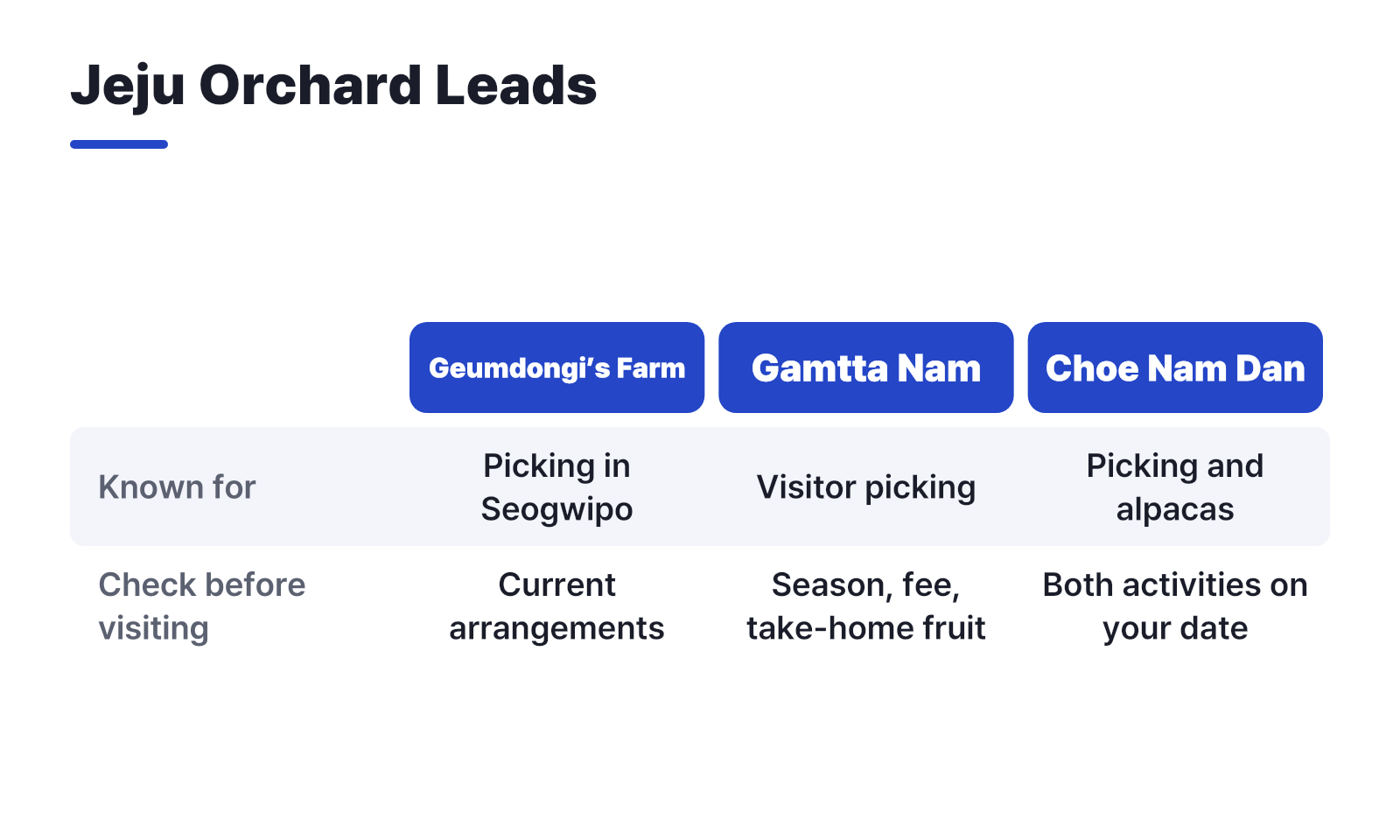
- Geumdongi’s Tangerine Farm, Gamtta Nam, and Choe Nam Dan are names to investigate, not confirmed current openings.
- Ask what the picking fee covers, whether baskets and gloves are provided, and whether you can take your harvest away.
Table of Contents
When is the best time for Jeju tangerine picking?
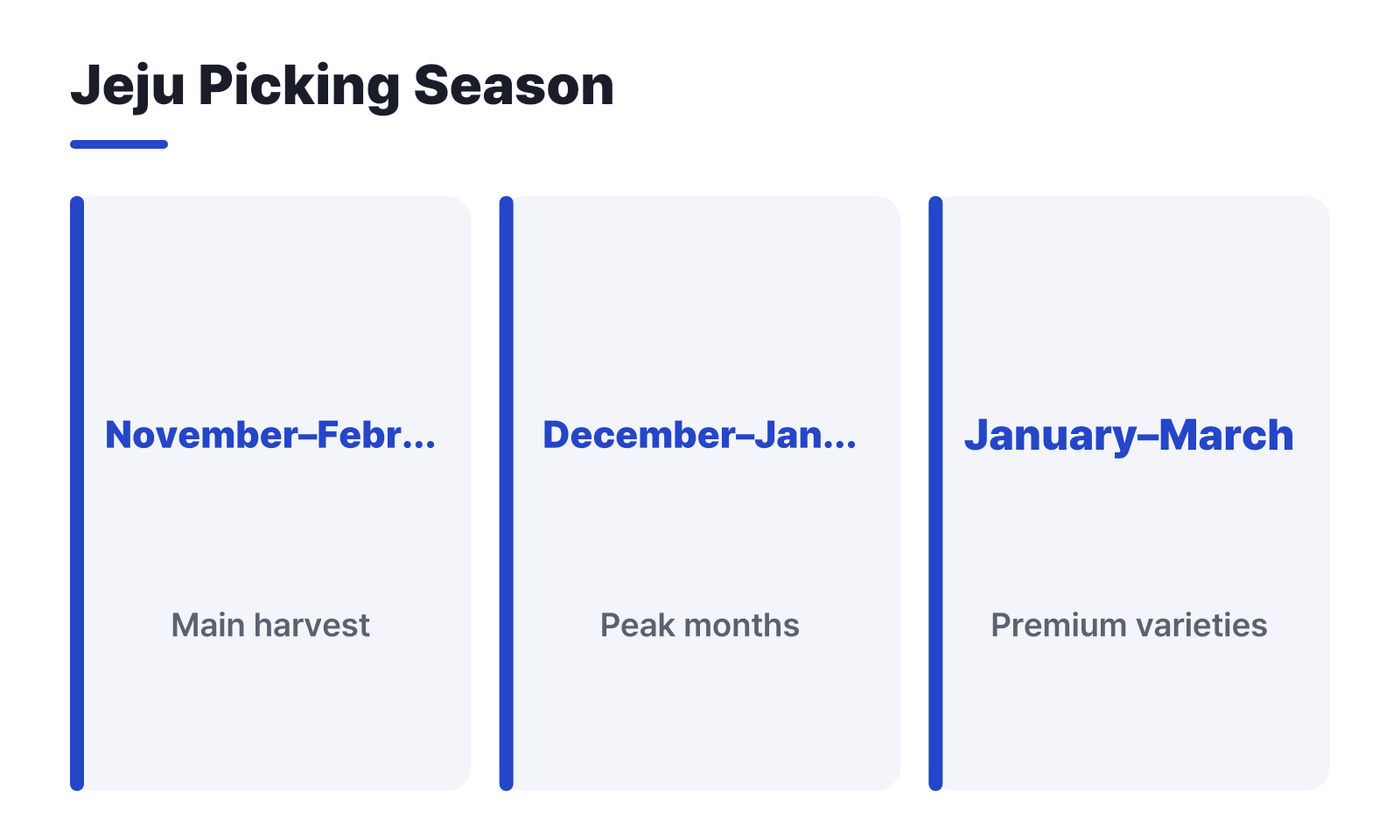
Plan for November through February for the main Jeju tangerine harvest, with December and January a strong choice if your schedule is flexible. Seasonal descriptions differ at the edges: some farms may begin earlier, while premium varieties can extend into the later winter period.
One account places the main picking season from November to February, while another describes the season as starting around October and peaking in December and January. Taken together, those timings make December and January the clearest central window; an October visit is less dependable for ripe fruit, and the number of open farms tends to fall later in the season.
Variety matters, too. Hallabong, Cheonhyehyang, and Red Hyang are described as premium varieties available from January to March. That window overlaps with the end of the main winter season, so ask the orchard which fruit is actually ready on your date rather than assuming every farm offers the same varieties.
Where can you go tangerine picking in Jeju?
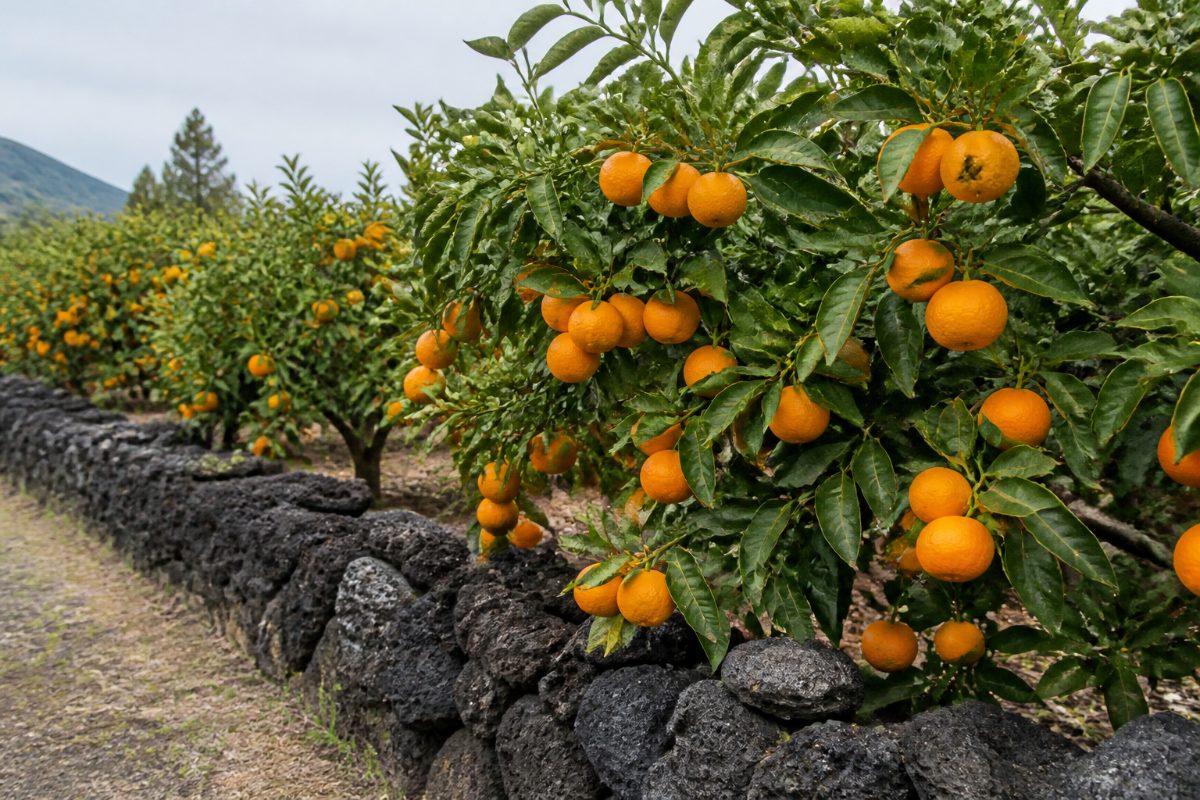
Seogwipo is the most useful area to start your search: pick-your-own orchards are spread across Jeju, but the island’s southern area is noted for its warmer growing conditions and concentration of farms. Search for a named orchard in Naver Maps or Kakao Maps, then compare the result with its current visitor information.
| Farm or area to search | What is known | How to use this lead |
|---|---|---|
| Geumdongi’s Tangerine Farm | A tangerine-picking visit is described at a farm in Seogwipo. | Search the farm name with Seogwipo and confirm the current picking arrangements. |
| Gamtta Nam | A visitor-picking experience is listed under this name. | Look up the current listing and ask about the season, admission, and take-home fruit. |
| Choe Nam Dan Orange Farm | The farm is presented as a family-friendly picking stop with alpacas. | Check whether both the orchard activity and alpaca experience are offered on your date. |
| Seogwipo area | Several pick-your-own farms are scattered through Jeju, with many in the south. | Use the area as a starting point if named farms do not fit your route. |
These are leads for planning, not a promise that each orchard is open for picking now. Farms can divide their land between visitor picking and fruit grown for sale, and signs at an orchard may distinguish visitor areas from non-picking areas. Before setting out, make sure the listing describes a pick-your-own activity rather than a farm or café that only sells citrus.
What happens during a picking visit?
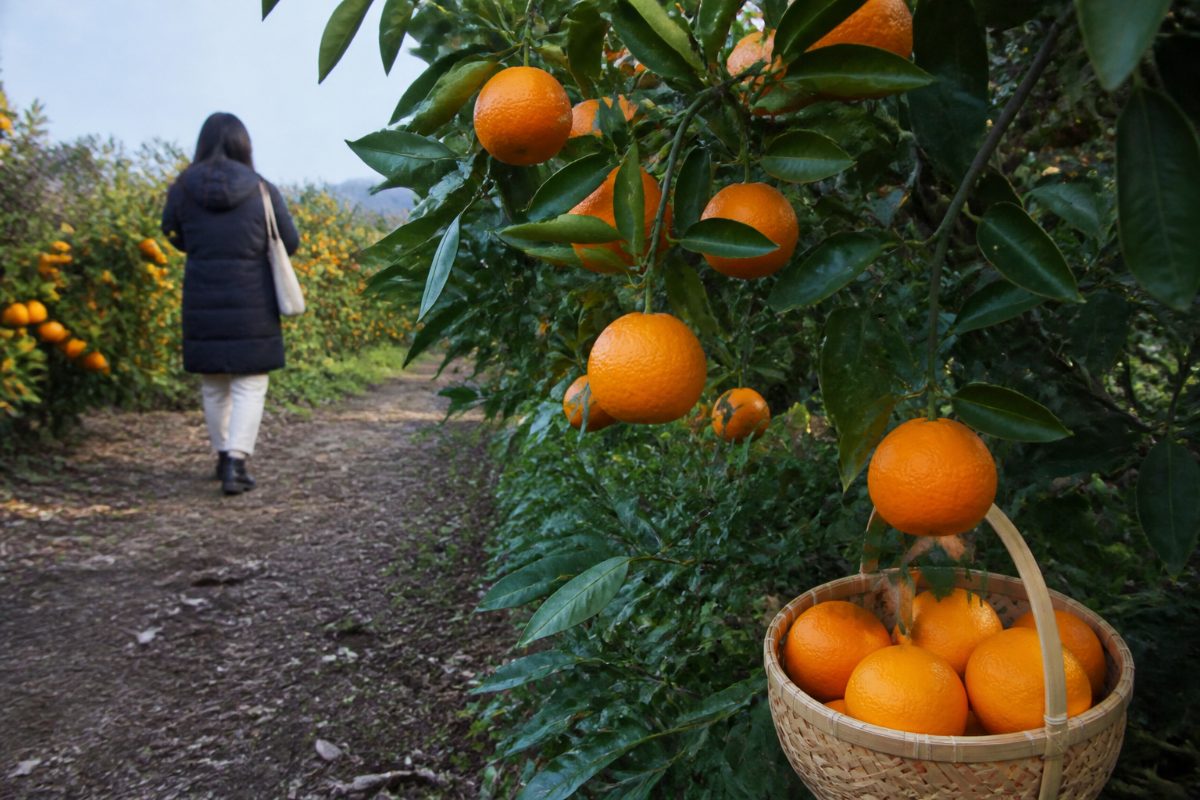
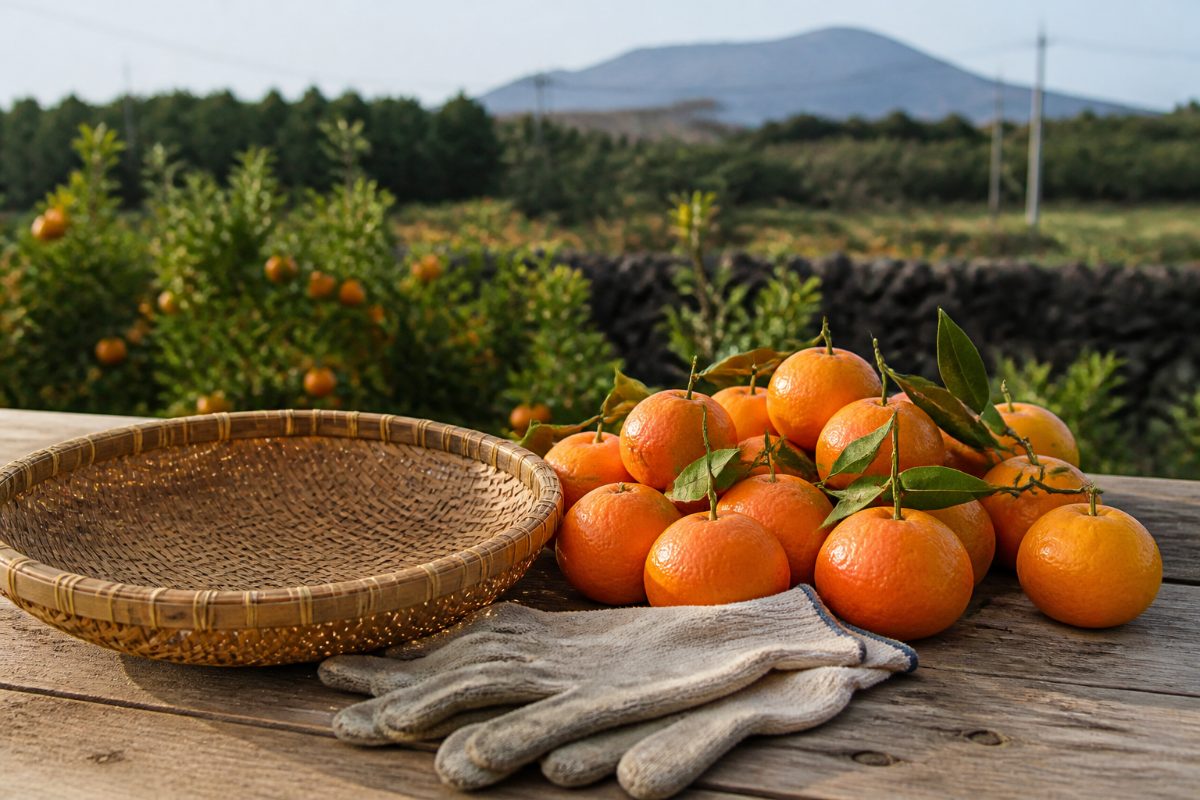
A Jeju tangerine-picking visit usually centers on walking into an orchard, picking fruit, and tasting or taking it away. Some experiences include baskets and gloves, while tour listings also describe wrapping freshly picked fruit to take home; the exact arrangement depends on the farm or booking.
The appeal is the direct connection between the fruit and the place it grows. A visitor account describes eating a tangerine just after picking it in a citrus-scented orchard, with Hallasan visible in the distance. That scene is a useful way to picture the experience, though the view and orchard setting depend on the location.
Before you pay or begin picking, ask a few practical questions: Is the fee for entry, a set amount of fruit, or both? Can you eat fruit in the orchard, and how much can you take away? Are a basket and gloves included? These details determine whether the activity fits a short stop or is better treated as a longer farm visit.
How should you choose a farm and prepare?
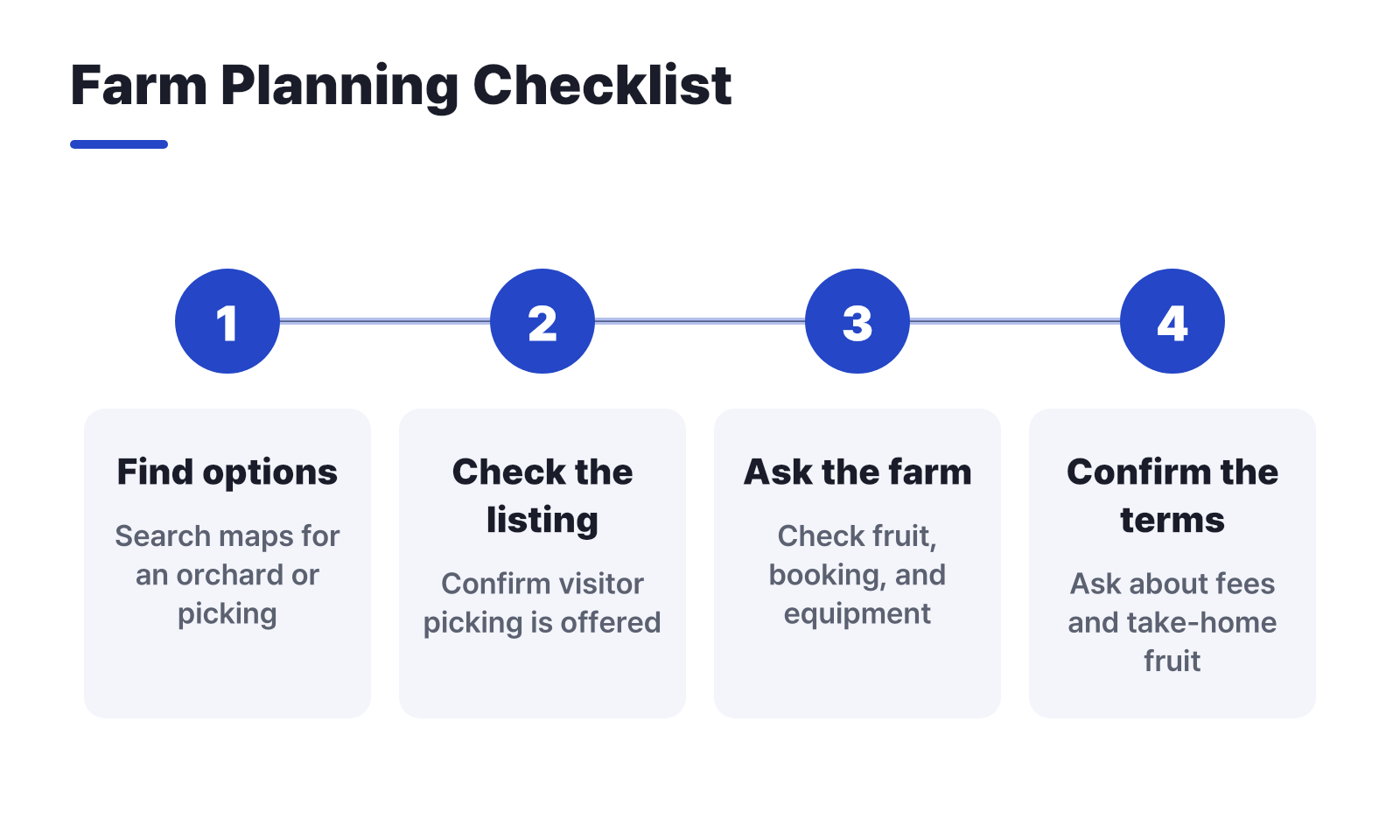
Choose the farm by matching its current picking offer to your date and route, rather than choosing by name alone. Reservations are recommended during peak season, although walk-ins may be possible; contacting the farm ahead can also clarify its equipment, picking rules, and what the fee includes.
- Search the orchard name or “tangerine picking” in Naver Maps or Kakao Maps, focusing on Seogwipo if you want to compare several southern options.
- Read the current listing for wording that clearly describes visitor picking. A citrus shop or orchard that grows fruit for sale is not automatically a pick-your-own venue.
- Ask whether reservations are needed for your date, what fruit is available, and whether baskets or gloves are supplied.
- Confirm the fee structure and the amount of fruit you may take away before starting, so you can judge the visit against your time and luggage plans.
Winter visitors should also think about where the activity fits in a Jeju stay. If you pick fruit near the beginning of the trip, you have more time to eat it during the rest of your visit instead of carrying it to the airport at the end. Bring a bag with room for fruit only if the farm allows take-home picking, and keep your transport plan flexible until you know the orchard’s location.
Frequently Asked Questions
Can you pick tangerines in Jeju in October?
Some seasonal descriptions place the start around October, but another gives November through February as the main picking period. October is therefore an early-season possibility rather than the safest month to plan around; ask the specific orchard whether fruit is ready.
Are Hallabong and other premium varieties available?
Hallabong, Cheonhyehyang, and Red Hyang are associated with a January-to-March season. Ask the farm which variety is available for picking on your visit date, since the seasonal window does not mean every orchard offers every type.
Do you need a reservation?
Reservations are recommended during the busiest part of the season, while some farms also accept walk-ins. Contact the orchard before traveling there to confirm its booking process and visitor-picking hours.
Once you have a travel date, search for a current pick-your-own listing in the part of Jeju you plan to visit, then message the farm about fruit, reservations, equipment, and take-home rules before building the stop into your day.
References
- Your Ultimate Guide To Jeju Orange and Tangerine Picking – The Soul of Seoul
- Experience Jeju’s Gamtta Nam Tangerine Picking Season for Just $15!
- Discover Jeju's Choe Nam Dan Orange Farm: A Family-Friendly Adventure with Orange Picking & Alpacas
- Jeju Tangerine Season: When to Go & Where to Pick Your Own - ¡Vamos a Jeju!
- Tangerine Picking Experience in Jeju - Trazy, Korea's #1 Travel Shop
- Visit Jeju: Where Did Jeju Island's Tangerines Come From?
Information in this post was checked as of November 2026. Policies and prices may change, so please verify important details with official sources.


Comments
Post a Comment