Does the Seoul Subway Run All Night? Late-Night Options

Table of Contents
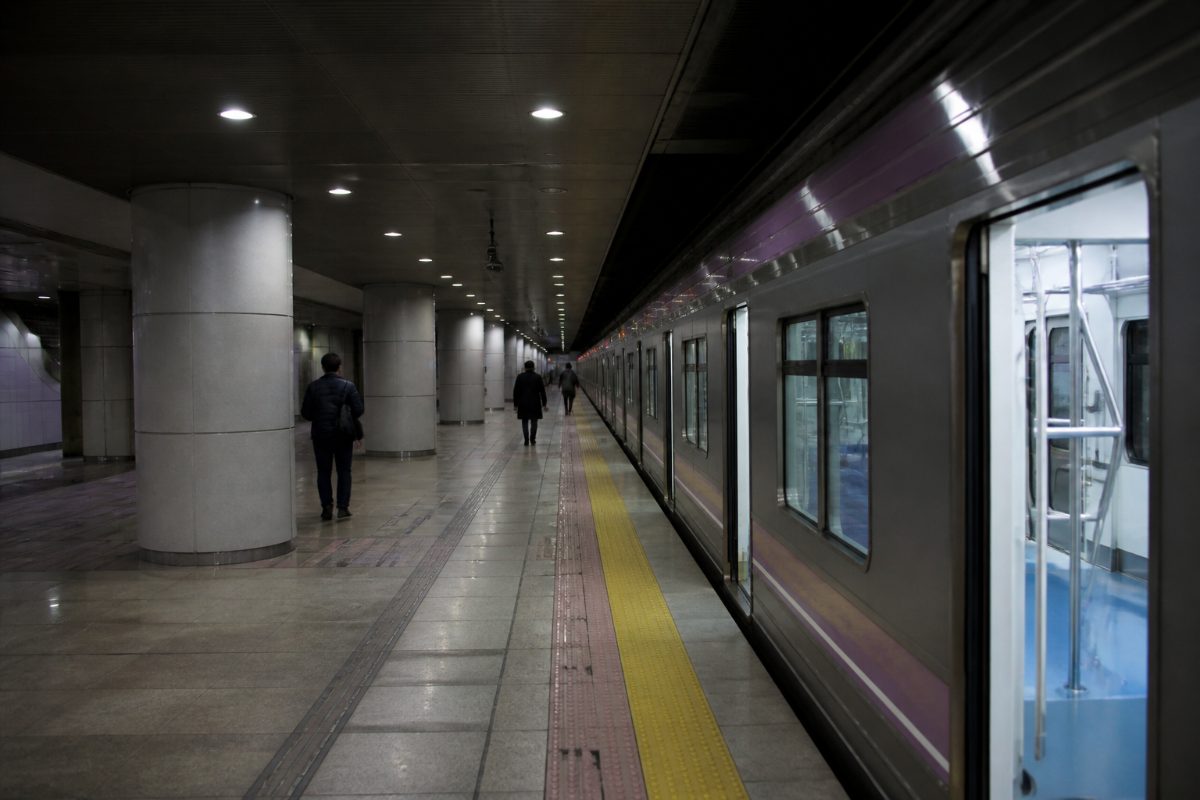
No—the Seoul subway does not run all night. Trains generally operate from about 5:30 a.m. until around midnight, but the last departure depends on the station, direction, day, and operator. If you’ll be out later, plan for a night bus or taxi rather than assuming you can catch a train back.
Does the Seoul subway run 24 hours?
No. The Official Travel Guide to Seoul describes subway service as running from approximately 5:30 a.m. until midnight. That is a useful citywide guide, not a single closing time for every station: a train’s final departure can differ by station, direction, day, and operator.
That detail matters when you are changing lines or traveling away from central Seoul. The time displayed for a train leaving your station may not match the final train from a transfer station farther along your route. A late-night plan should therefore be based on the full journey, not just the departure station or the time you expect to reach a transfer.
For a specific trip, enter your origin and destination in Naver Map or KakaoMap and look for the final subway connection for the day you are traveling. Pay attention to the direction and transfer sequence as well as the departure time. If the app’s last connection leaves little room for delays or finding the platform, choose an earlier train or decide on a backup before heading out.
What can you take after the last train?
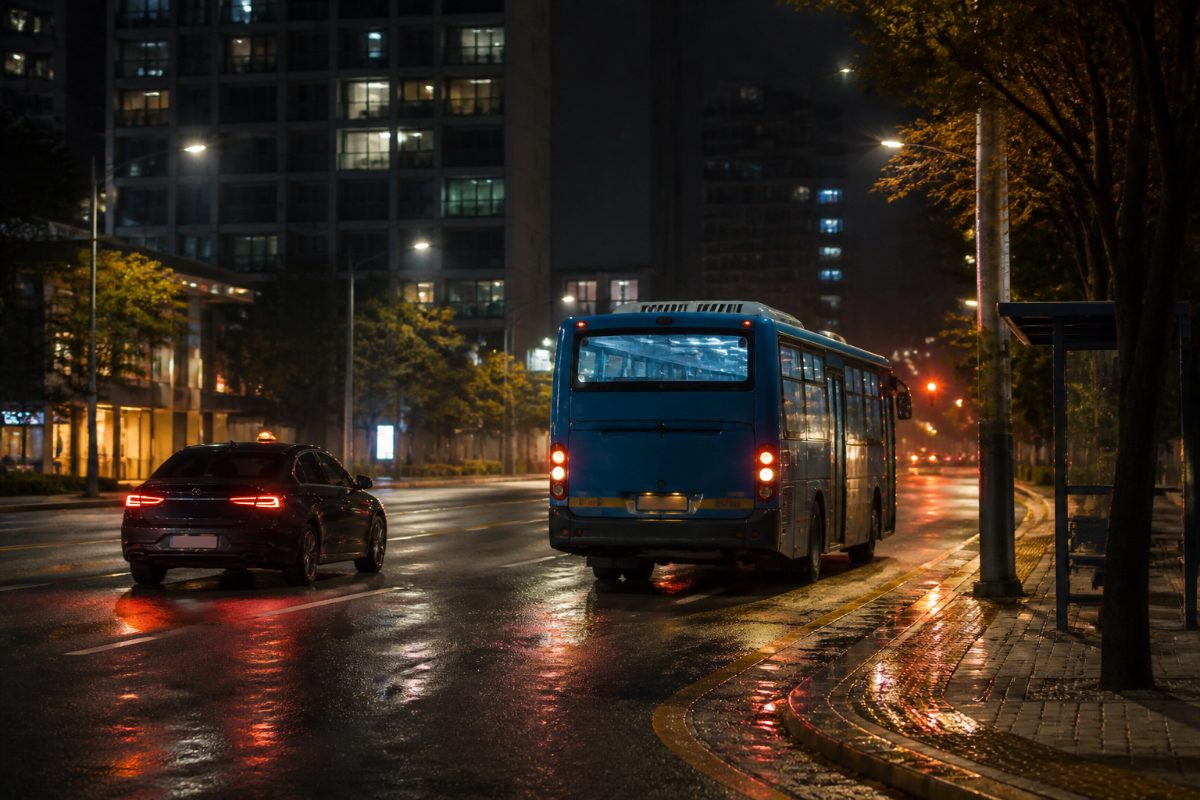
Seoul has late-night buses with route numbers that begin with “N.” They are designed for trips when regular subway service has ended, but a night bus is useful only if its route and stops suit both ends of your journey.
One Seoul transit guide lists a fare of ₩2,500 with a transit card and says the Climate Card covers the night buses at no extra cost for pass holders. It identifies N26 as a route for Hongdae. Treat that as a starting point for choosing a route, not a substitute for checking the actual stop and destination: a bus serving an area may not stop near your hotel or take you directly to it.
Published descriptions give different operating windows for night buses. One guide describes a broad 11:00 p.m.–6:00 a.m. window, while an older route overview gives an approximate 11:30 p.m.–3:45 a.m. period for named routes. Those figures do not establish one timetable for every N route. Use the route and travel date shown in your map or transit search when deciding whether a particular bus will get you home.
To make the bus option workable, start with the address where you need to end up, then search for nearby N routes and their stops. A short walk from a bus stop may be part of the trip, so include the final walk when judging whether the route is practical. If you are traveling with someone else, make sure both of you have the same destination and stop in view before boarding; it is easier to spot a mismatch before the bus leaves.
Are taxis an option late at night?
Yes. A taxi can be a practical alternative when no night-bus route fits your destination, or when you want to avoid a transfer and a walk from a stop. The trade-off is cost: late-night taxi fares include a surcharge.
The listed surcharge starts at 10:00 p.m. and reaches 40% between 11:00 p.m. and 2:00 a.m. That makes the time of your ride relevant to the fare, even if you leave before midnight. If you are weighing a taxi against a night bus, compare the extra convenience with the surcharge rather than assuming the taxi fare will be similar to a daytime ride.
Before setting off, have the destination written in Korean or saved as a map location. This gives you a clear address to show the driver and helps avoid confusion between places with similar English names. Keep the hotel address available even if you plan to use a bus first, since it gives you a straightforward alternative if the route you find does not work.
How should you plan your ride home?
Choose the late-night option based on when you expect to leave, where you are going, and how much walking or transferring you are willing to do. The subway is usually the simplest choice if the full route still has a suitable final train. After service ends, look for an N bus that serves your destination; use a taxi when the bus route or its stops do not fit your trip.
| Option | Works best when | What to check |
|---|---|---|
| Subway | Your complete route still has a final train. | Station, direction, travel day, and transfers. |
| N night bus | A route beginning with “N” serves a stop near your destination. | Route, stop, operating time, transit-card fare, and any final walk. |
| Taxi | A bus does not fit, or a direct ride is more useful than a transfer. | Destination address and the late-night surcharge period. |
A useful routine is to plan the return trip before going out. Search the journey from your evening location to your lodging, note the last suitable subway connection, and identify an N route or taxi as a fallback. Recheck the route after your plans change neighborhoods: a bus that works from Hongdae, for example, may not be useful from a different part of Seoul.
If you are close to the subway’s final departure, do not judge the plan only by whether a train is still running somewhere on the line. Your own station, travel direction, and transfer connections determine whether you can complete the ride. If the route search no longer shows a usable full journey, switch to the night-bus or taxi plan instead of relying on a partial subway trip.
For the simplest return, take the subway while a full connection is still available. If the train has stopped, choose an N bus when its route and stop match your destination; choose a taxi when a direct trip matters more than the surcharge or the bus requires an awkward walk or transfer.
References
- Seoul Subway Map 2026 + T-money Guide | Inside Seoul
- Transportation | The Official Travel Guide to Seoul
- Seoul Subway Map 2026: Lines, Fares & Airport Trains
- Night service (public transport) - Wikipedia
- Seoul in 24 Hours: Safe Nightlife, Transit, and Food Route
Information in this post was checked as of November 2026. Policies and prices may change, so please verify important details with official sources.


Comments
Post a Comment