South Korea in Winter: A First-Time Visitor Guide
Key Takeaways
- South Korea’s winter travel season is generally December through February, and December and January bring average temperatures below 32°F across most of the country.
- Plan for cold outdoor time in Seoul, but build indoor stops into each day so your schedule does not depend on staying outside for hours.
- Jeju Island and some coastal areas are exceptions to the countrywide average, but regional differences do not remove the need to pack warm layers.
- For a distinctly seasonal activity, Frommer’s describes the Inje Ice Fishing Festival as a late-January-to-mid-February event with fishing, sledding, and other winter activities.
Table of Contents
- What is winter weather like in South Korea?
- How should a first-time visitor plan a winter itinerary?
- What should you pack for a South Korea winter trip?
- Where can you experience winter activities?
- How should you handle transport, holidays, and safety?
- Which winter plan fits your travel style?
- Frequently Asked Questions
- Key planning points
South Korea in winter can be a rewarding first trip if you plan around the cold rather than trying to fit a warm-weather itinerary into a winter day. Frommer’s reports that December and January average below 32°F across most of the country, while Seoul can be colder; choose a comfortable base, pack for outdoor exposure, and leave room for indoor breaks.
What is winter weather like in South Korea?
Winter is generally considered December through February, while colder conditions can begin earlier. Frommer’s describes winter as starting in November and notes that December and January averages fall below 32°F across the country, except for Jeju Island and some coastal areas.
Seoul deserves particular attention when you plan clothing and outdoor sightseeing. Frommer’s says winter temperatures in the capital usually drop to about 18°F, and have been known to reach -11°F. Those figures are useful for understanding the possible cold, not for predicting the weather on a specific travel date.
| Trip element | Winter planning approach |
|---|---|
| Long outdoor walks | Wear warm layers and group nearby sights so you can shorten the outdoor stretch if needed. |
| City sightseeing | Mix outdoor neighborhoods with indoor stops instead of making every day an all-day walking plan. |
| Regional travel | Do not assume the same conditions everywhere; Frommer’s identifies Jeju and some coastal areas as exceptions to the national December–January average. |
| Snow-dependent plans | Treat snow as a possible feature of winter, not a guaranteed condition for every destination or date. |
How should a first-time visitor plan a winter itinerary?
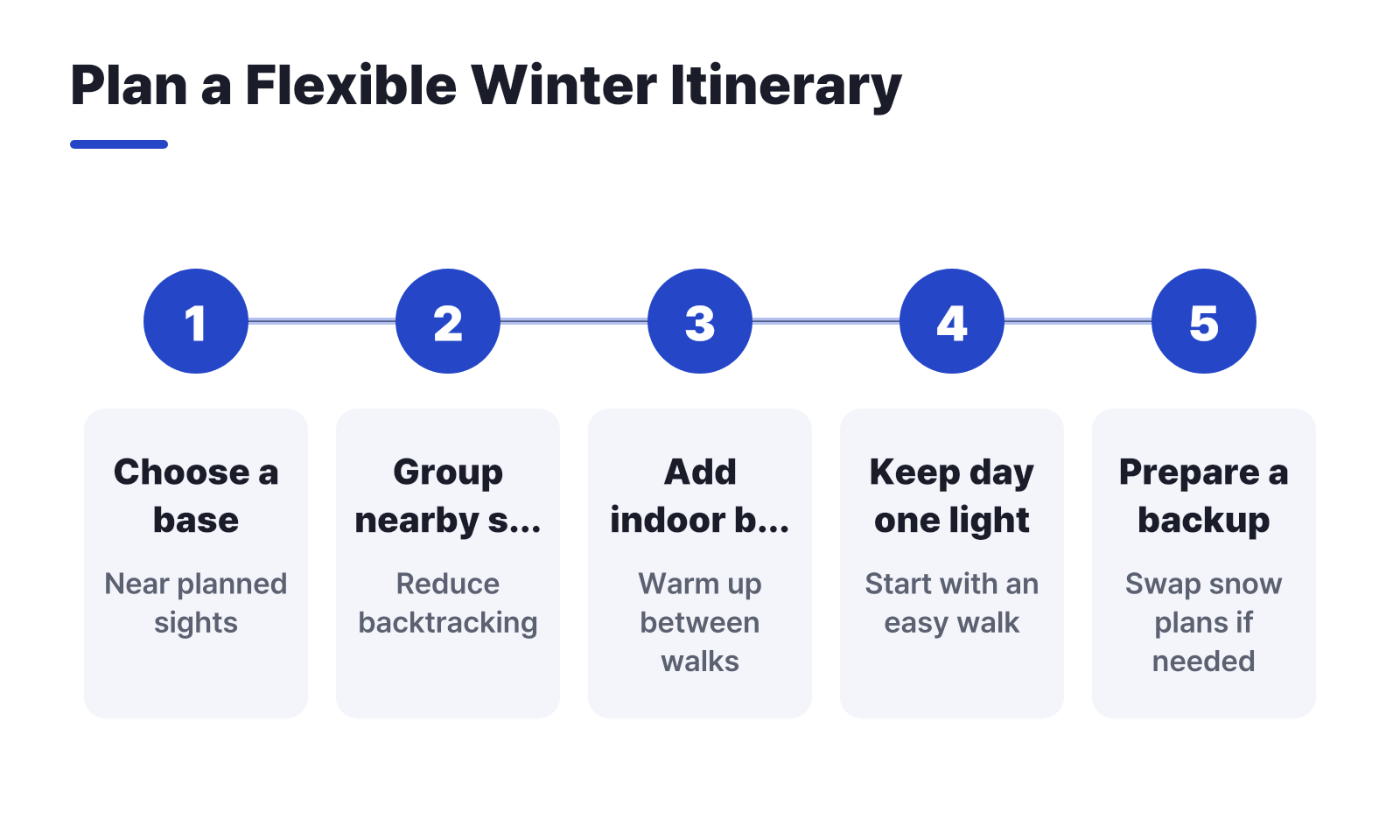
Build each day around one main outdoor area and keep an indoor alternative nearby. That structure makes a cold day easier to manage: you can still see a neighborhood or landmark without committing to hours outside if the temperature feels harsher than expected.
- Choose a practical base. For a first visit centered on Seoul, stay in an area that makes your planned sights easy to reach. Avoid choosing accommodation only because it is close to one outdoor attraction you may visit briefly.
- Group sights by area. Put nearby outdoor stops together, then add a museum, café, shop, or other indoor break to the same day. This reduces unnecessary backtracking and gives you a natural place to warm up.
- Keep the first day light. After arrival, use a short neighborhood walk and an easy meal to get oriented. Save a long outdoor day for when you know how the cold feels to you.
- Give weather-sensitive plans a backup. If a day depends on snow, a frozen lake, or extended outdoor activity, decide in advance what indoor or city-based alternative you would enjoy instead.
This approach suits first-time visitors who want a mix of sights and local experiences without making the whole trip dependent on winter conditions. Travelers who already know they enjoy cold-weather activities can dedicate more time to outdoor plans, but should still keep a flexible alternative.
What should you pack for a South Korea winter trip?
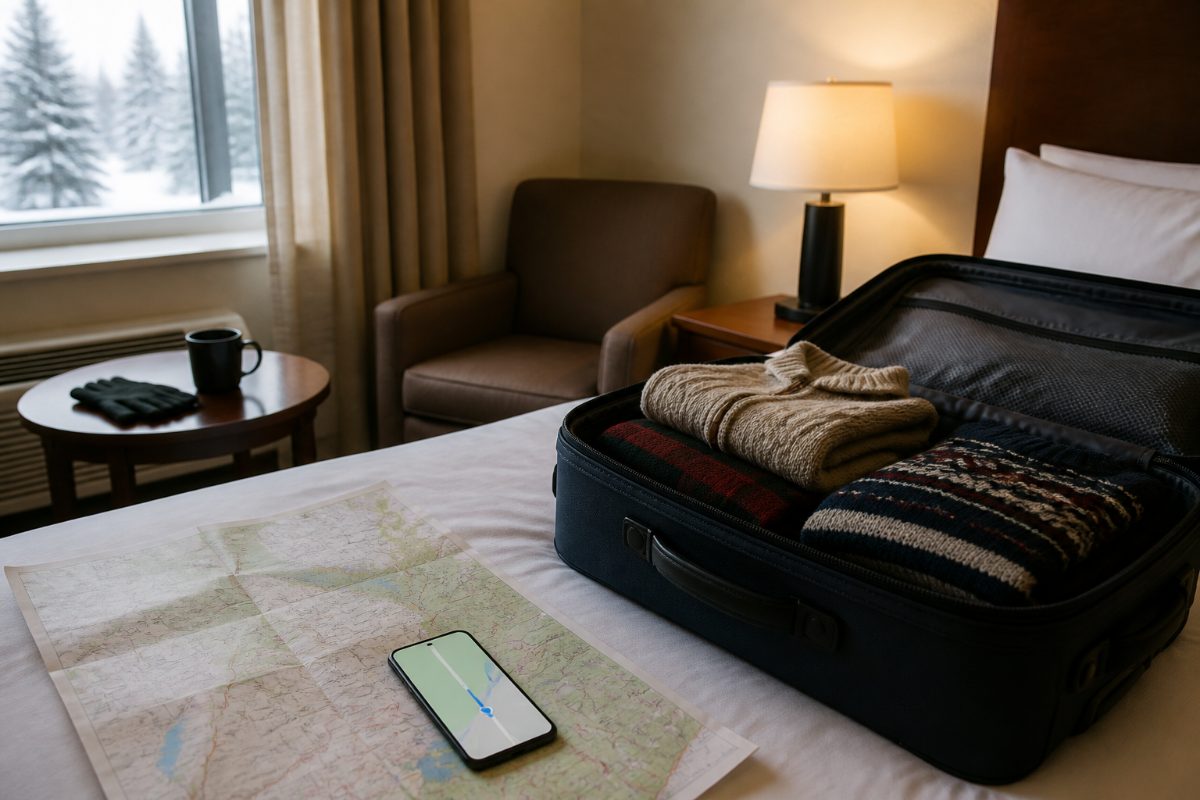
Pack for the coldest outdoor stretch of your itinerary, not just the time you expect to spend indoors. Seoul’s usual winter temperatures, as described by Frommer’s, make a light jacket alone a poor foundation for long walks.
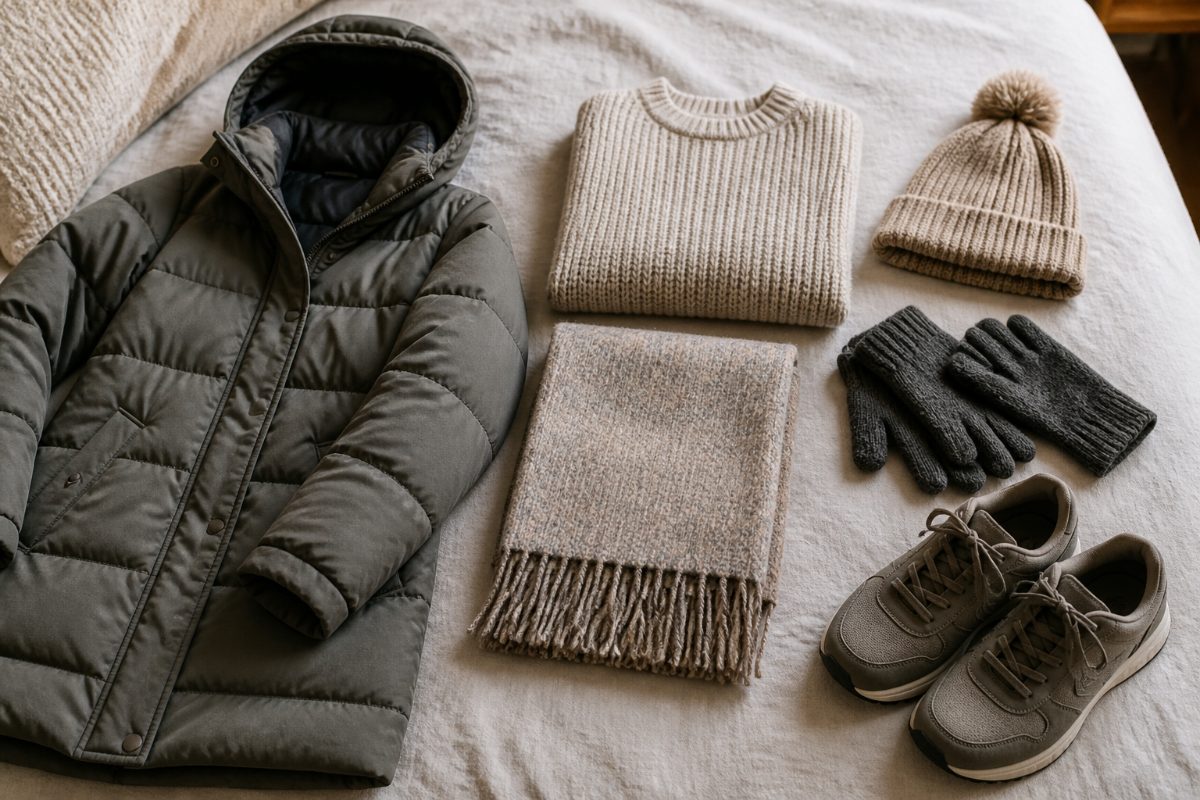
- Use layers: a warm outer coat over insulating layers lets you adjust between outdoor walks and heated indoor spaces.
- Cover exposed areas: bring a hat, gloves, and a scarf or other neck covering for time outside.
- Choose comfortable footwear: shoes you can walk in for a full sightseeing day are more useful than footwear selected only for appearance.
- Pack for your activities: if you plan to spend extended time outdoors, prioritize warmth and ease of movement over bringing extra outfits.
- Keep a small day bag: use it for removable layers and the items you want on hand during a day of walking.
A common planning mistake is packing for the average temperature alone and forgetting that a long outdoor itinerary exposes you to the cold for hours. Decide how much time you will actually spend outside each day, then pack accordingly. For a detailed clothing checklist, use the related guide, What to Pack for South Korea in December: Winter List, as a companion to this trip-planning overview.
Where can you experience winter activities?
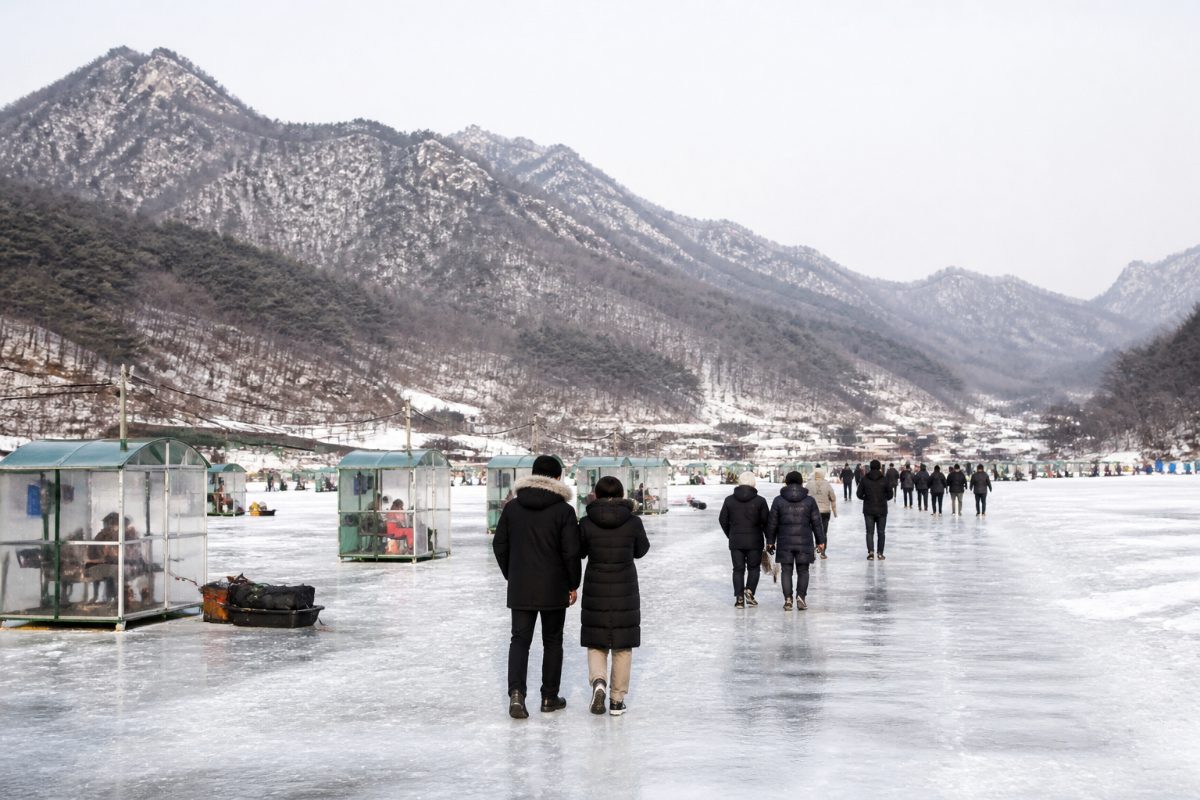
For an activity built around frozen-lake conditions, Frommer’s describes the Inje Ice Fishing Festival as a winter event in a mountain village in the inner Seoraksan area. Its description includes ice fishing, ice soccer, sledding, a dog-sled competition, and a meal featuring freshly caught smelt.
Frommer’s places the festival in the late-January-to-mid-February period, but check the official site for this year’s dates and operating details. Before planning travel around the event, look up the current schedule through its official organizer. Keep transport and accommodation plans flexible until the event dates are confirmed.
Not every winter trip needs a festival or a snow activity. If your main interest is food, neighborhoods, or museums, make those the anchors of your schedule and treat outdoor winter activities as optional additions. That is a better fit for travelers who are curious about winter but do not want a trip built around cold-weather sports.
How should you handle transport, holidays, and safety?
Use established public transportation and official taxis for city travel. Frommer’s advises using official public transport and taxis, and notes that petty crime such as pickpocketing exists in large cities including Seoul and Busan.
Keep your phone and wallet secure in crowded places, stay aware of your surroundings, and avoid walking alone at night. These are practical city precautions, not a reason to avoid exploring. For intercity rail planning, consult the separate guide How to Book KTX Tickets in Korea: A Foreign Traveler’s Guide so train logistics do not get mixed up with day-to-day city navigation.
Holiday timing also affects the shape of a trip. Almatar’s South Korea travel guide notes that during major holidays such as Seollal, transport can be crowded and some restaurants, stores, and attractions may close. If your travel dates overlap with a major holiday, avoid placing a critical transfer or a must-visit meal on the assumption that everything will operate normally. Check the relevant transport and venue schedules before locking in that day.
Which winter plan fits your travel style?
The best plan depends on how much cold-weather exposure you want, not simply on how many attractions you can fit into a day. Use this quick guide to set the balance before booking activities.
| Traveler | Good planning choice | Watch out for |
|---|---|---|
| First visit, mostly city sightseeing | Choose a convenient base, group nearby sights, and alternate outdoor time with indoor stops. | Scheduling a full day of exposed walking without a warm-up break. |
| Interested in winter activities | Build the trip around a confirmed activity date, then add nearby sightseeing. | Booking nonrefundable plans before the event’s current dates are established. |
| Traveling during a major holiday | Keep transfers simple and confirm opening and transport schedules for essential plans. | Assuming restaurants, stores, attractions, and transport will follow an ordinary day. |
| Uncomfortable in very cold weather | Favor indoor experiences and shorter outdoor visits; treat snow activities as optional. | Copying an itinerary designed around long outdoor stretches. |
Frequently Asked Questions
When is winter in South Korea?
Travel guides generally describe winter as December through February, while Frommer’s says colder conditions can begin in November. December and January averages fall below 32°F across most of the country, with Jeju Island and some coastal areas noted as exceptions.
How cold does Seoul get in winter?
Frommer’s reports that Seoul’s winter temperatures usually drop to about 18°F and have been known to reach -11°F. Use those figures to prepare for the possibility of severe cold, rather than as a forecast for your travel dates.
Is snow guaranteed during a winter trip?
No destination can guarantee snow. Plan activities that remain enjoyable without snow, and make snow-dependent outings conditional on current local conditions.
Is the Inje Ice Fishing Festival a good choice for a first visit?
It may suit travelers who specifically want a winter activity: Frommer’s describes ice fishing, sledding, ice soccer, and other festival events. Confirm the current event dates and arrangements before building a trip around it.
Key planning points
South Korea in winter calls for warm layers, realistic outdoor schedules, and a backup plan for weather-dependent activities. Seoul can be very cold, while Jeju and some coastal areas differ from the countrywide December–January average. Pick a trip style that matches your comfort with cold, confirm holiday or festival logistics when they matter, and leave enough flexibility to enjoy the country even when the weather changes your plans.
References
- Planning a trip to South Korea | Frommer's
- South Korea Travel Guide 2026: Attractions, Visa & Costs | Almatar
Information in this post was checked as of November 2026. Prices, hours, and availability may change, so please verify important details with official sources.


Comments
Post a Comment