How to Rent Ski Clothes and Gear at Korean Resorts
Key Takeaways
- At Korean ski resorts, equipment and clothing may be rented separately, so confirm every item included before comparing prices.
- Resort counters are convenient; nearby rental shops may offer lower prices, more clothing choices, or package deals, depending on the provider.
- At High1 Resort, rental shops are available at the resort and in nearby towns such as Gohan and Sabuk, and the cited guide says helmets are required on all ski lifts.
- Ask about gloves, helmet availability, sizing, pickup, and return arrangements before traveling to the slopes.
Table of Contents
- What can you rent at a Korean ski resort?
- Should you rent at the resort or from a nearby shop?
- How much should you budget for ski rentals in Korea?
- How do you arrange a rental before your ski day?
- What should you bring instead of renting?
- How should beginners choose a rental setup?
- What should you check at pickup and return?
- Frequently Asked Questions
- Key points to remember
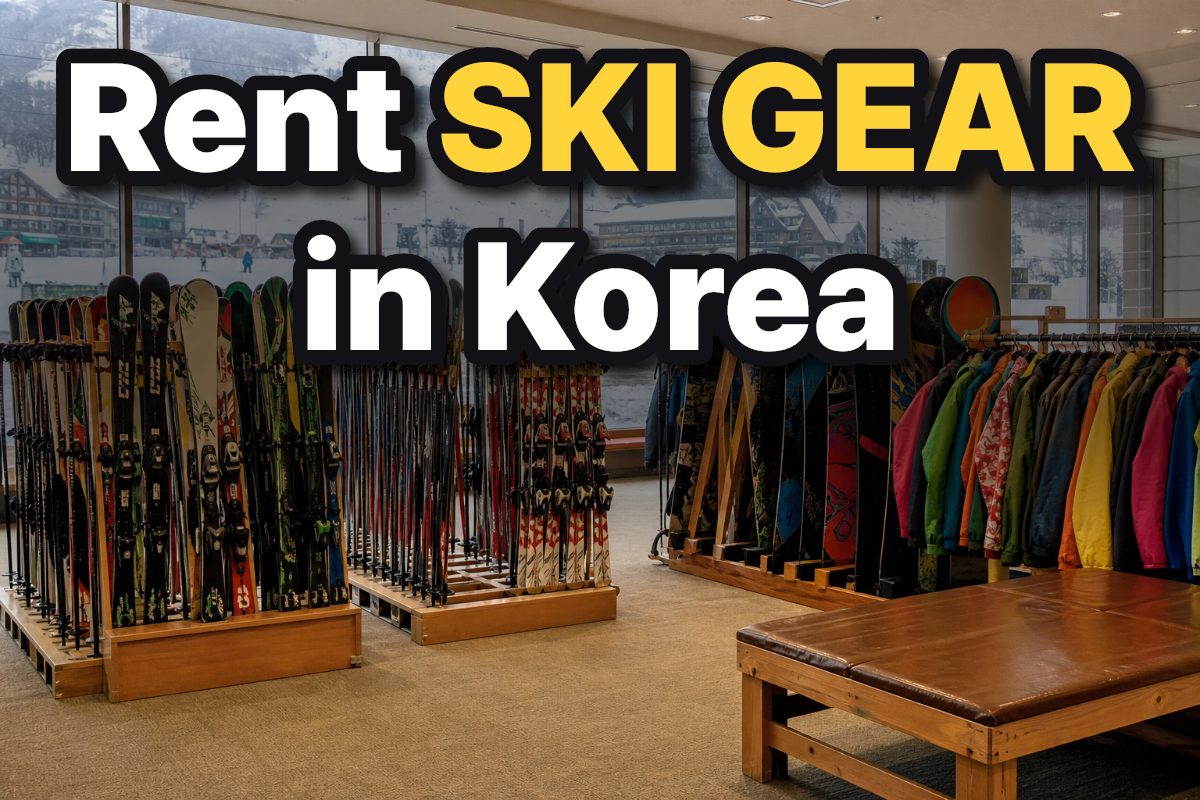
Renting ski clothes and gear at a Korean ski resort lets you avoid packing bulky equipment, but the word “rental” does not always mean a complete outfit and full set of equipment. Before booking, confirm what is included, where you will collect everything, and how it fits with your transport plan. Resort counters are the simplest option for many visitors, while a nearby shop may be useful if it offers a better-fitting package or convenient pickup.
What can you rent at a Korean ski resort?
Ski equipment rental means borrowing the items needed for skiing or snowboarding, while clothing rental covers outerwear such as a jacket and pants. A quote for “gear” or a “set” may refer to equipment alone, so ask for an itemized list rather than relying on the package name.
Tour listings can describe an equipment set as skis, boots, and poles, while other rental providers may list a snowboard instead of skis. A High1 Resort guide says visitors can rent skis, snowboards, helmets, and other gear at the resort or in nearby towns. These examples show that packages are not necessarily identical from one provider to another.
| Item | What to confirm | Why it matters |
|---|---|---|
| Skis or snowboard | Which activity and equipment type the price covers. | Ski and snowboard equipment are different; the provider needs to know which one you plan to use. |
| Boots and poles | Whether these are included in the equipment price. | A package name alone may not tell you which pieces are bundled. |
| Jacket and pants | Whether clothing is included or priced separately. | Clothing and equipment can be separate rental services. |
| Helmet | Whether a helmet is available and whether it is included. | Helmet requirements and rental arrangements can be provider- or resort-specific. |
| Gloves | Whether the shop rents or sells gloves, or expects you to bring your own. | A rental package may not cover personal accessories. |
For example, if a tour listing says it includes basic equipment, check whether it names skis or a snowboard, boots, and poles. Then look for separate wording about clothing, helmets, and lift tickets. A tour product listing on GetYourGuide describes essential equipment as skis, poles, and boots, while a Jisan tour listing presents clothing rental as an optional item for some packages. The exact offer depends on the selected product and option.
Make your own checklist before you request a quote. Write down the activity, equipment, clothing, helmet, and gloves you need. This makes it easier to see whether a lower headline price is genuinely comparable or simply excludes items you would otherwise need to arrange.
Should you rent at the resort or from a nearby shop?
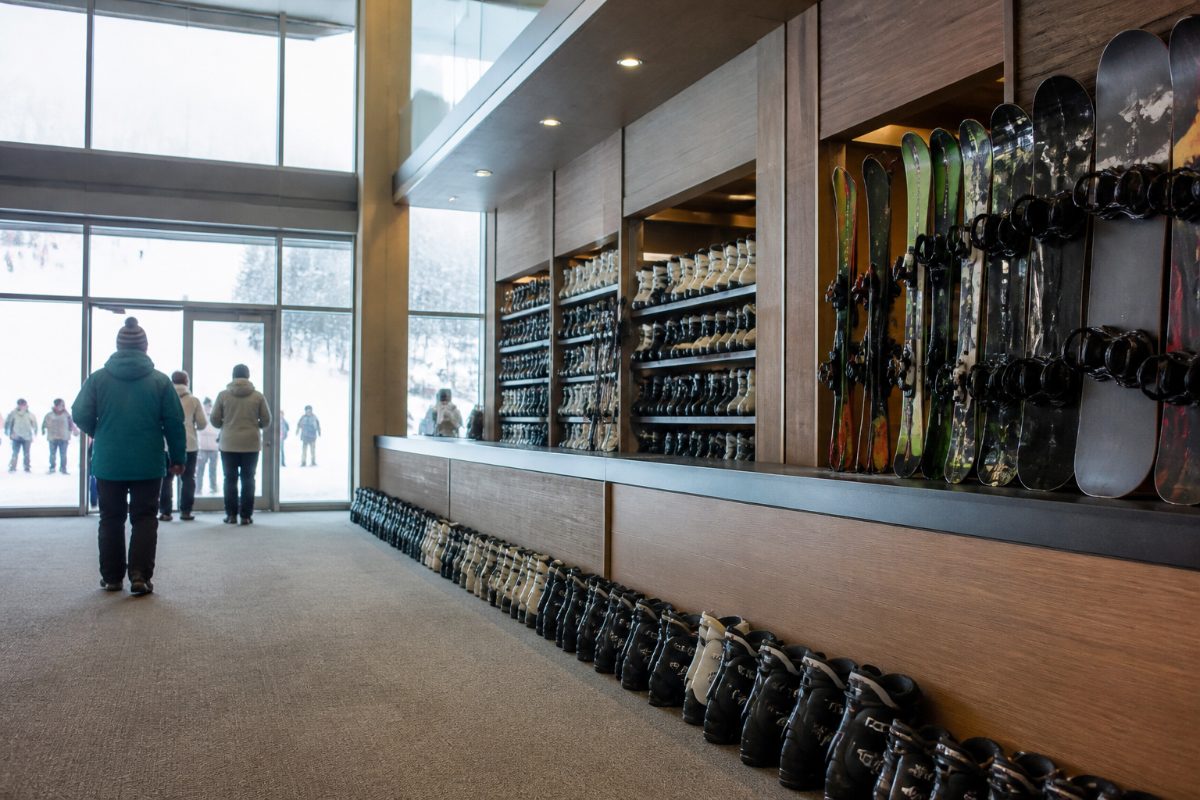
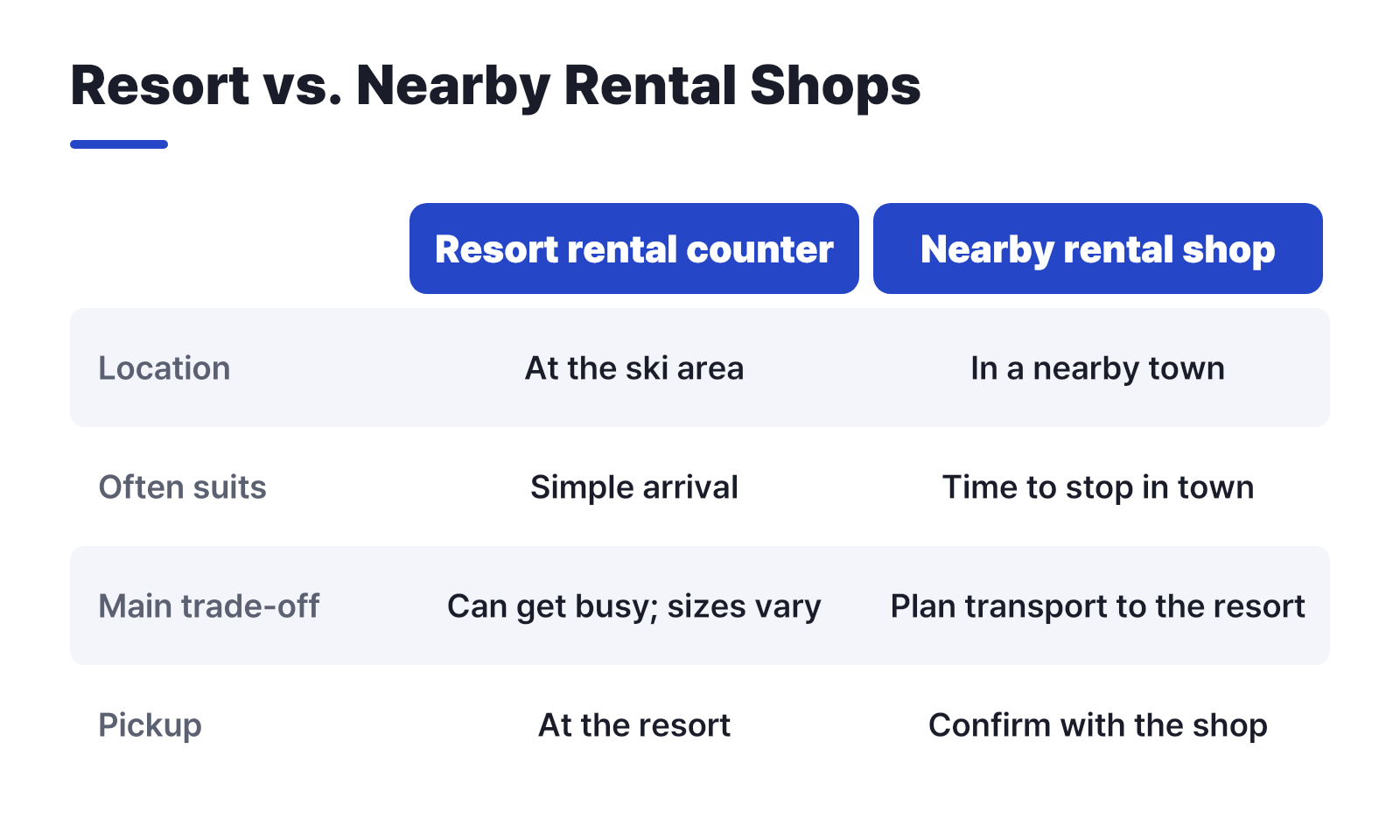
Resort counters are convenient because they are located at the ski area, while nearby shops can offer another place to compare equipment and clothing packages. The better choice depends on whether you value fewer stops or want to compare options before arriving at the slopes.
A High1 Resort guide describes rental stations at major base areas and rental shops in nearby towns, including Gohan and Sabuk. It also reports that High1’s resort counters can become busy on weekends and holidays, with sizing handled on a first-come, first-served basis. That is useful context for High1, not a rule that applies to every resort.
| Option | May suit you if… | Check before choosing |
|---|---|---|
| Resort rental counter | You want to collect equipment at the ski area or are arriving on a package tour or shuttle. | Ask where the rental area is, what the package includes, and whether you should allow extra time during a busy visit. |
| Nearby rental shop | You have time for an extra stop and want to compare clothing and equipment bundles. | Confirm the shop location, how you will travel from there to the resort, and whether any pickup or delivery arrangement is available. |
A 2026/27 comparison of Korean ski resort options describes a common trade-off: rental shops inside a resort tend to be convenient and may have relatively newer equipment, while private shops near resort entrances may offer lower prices and a wider choice of clothing designs. The comparison also notes that some outside shops provide equipment pickup at a resort parking lot. Treat that as a service to verify with the specific shop, not as a standard service at every resort.
Choose the resort counter if an extra stop would complicate your day or you are traveling on a tour schedule. Consider a nearby shop if you have confirmed its location, the total package, and the onward transport. If you are going to High1, the named town options are Gohan and Sabuk; do not assume those locations apply to a different ski area.
How much should you budget for ski rentals in Korea?
Rental prices depend on the provider and on what the package includes. The available examples do not establish a current nationwide price, so compare the total for the same items and rental period rather than relying on an old price quoted for a different package.
For a useful comparison, ask each provider to quote equipment, clothing, and any optional items separately. A package that includes a jacket and pants cannot be compared directly with an equipment-only rate. Likewise, a day rental and a longer-term rental cover different periods and should not be treated as equivalent offers.
Use these questions when requesting a total:
- Is the quote for skis or a snowboard, and which other equipment is included?
- Does the price include a jacket and pants, or are they a separate rental?
- Is the quote for the same rental period as the other offer you are comparing?
- Are helmets included, available at an extra charge, or expected to be brought separately?
- Does the quoted package include transport, a lesson, or a lift ticket, or are those separate?
- Where do you collect and return each item?
Tour listings make this check especially useful. A product title may highlight an “all-inclusive” option or a lesson, but each selected option can have different inclusions. A 2026/27 resort comparison advises checking the selected product’s details for items such as lift access, equipment, lessons, and clothing rather than inferring them from the product name.
If you are comparing two offers, put them side by side using the same list of items. An offer that looks cheaper may still be a good choice, but only after you know whether you will need to pay separately for outerwear, transport, or other items. If the provider cannot confirm an item, leave it out of your comparison until you have a clear answer.
How do you arrange a rental before your ski day?
Some travelers arrange rentals in advance, while others use a counter at the resort. Booking procedures vary by provider; the practical goal is to confirm availability, the collection point, and what you will receive before setting off.
- Choose where to rent. Decide whether you prefer a resort counter or a nearby shop. If you choose a shop in town, check its location and how you will continue to the ski area.
- List the items you need. Specify skis or a snowboard, boots, poles if needed, clothing, and a helmet. Ask separately about gloves because they may not be part of the rental.
- Share sizing information. Give the information the provider requests and ask how it handles fitting. A personal account of renting at High1 reports that the writer, who usually wears larger US clothing sizes, was able to get rental gear including snow pants. That experience is encouraging but does not guarantee every size will be available at every shop.
- Explain your arrival plan. If the shop offers pickup, provide your arrival details and ask for the precise meeting point. Do not assume a resort shuttle or private shop pickup is included unless the provider confirms it.
- Confirm the total and return plan. Ask which items are included, what the price covers, and where to return each item. If clothing and equipment come from different counters, confirm whether they have different return points.
- Keep the confirmation accessible. Save the provider’s message or booking details so you can check the agreed package and collection instructions when you arrive.
International visitors do not need to assume that every rental shop has the same booking process or language support. A High1 guide reports that lessons are offered in English and Korean, but that does not establish the language options for every rental provider. Use the provider’s available reservation channel, keep the request specific, and ask for a written confirmation of the items and meeting details.
Allow time to try the equipment and clothing before going to the slopes. If boots feel uncomfortable or clothing restricts movement, raise the issue at the rental point while it is easy to make an adjustment. A clear handoff at the start can prevent a small fit problem from becoming a distraction during your ski day.
What should you bring instead of renting?
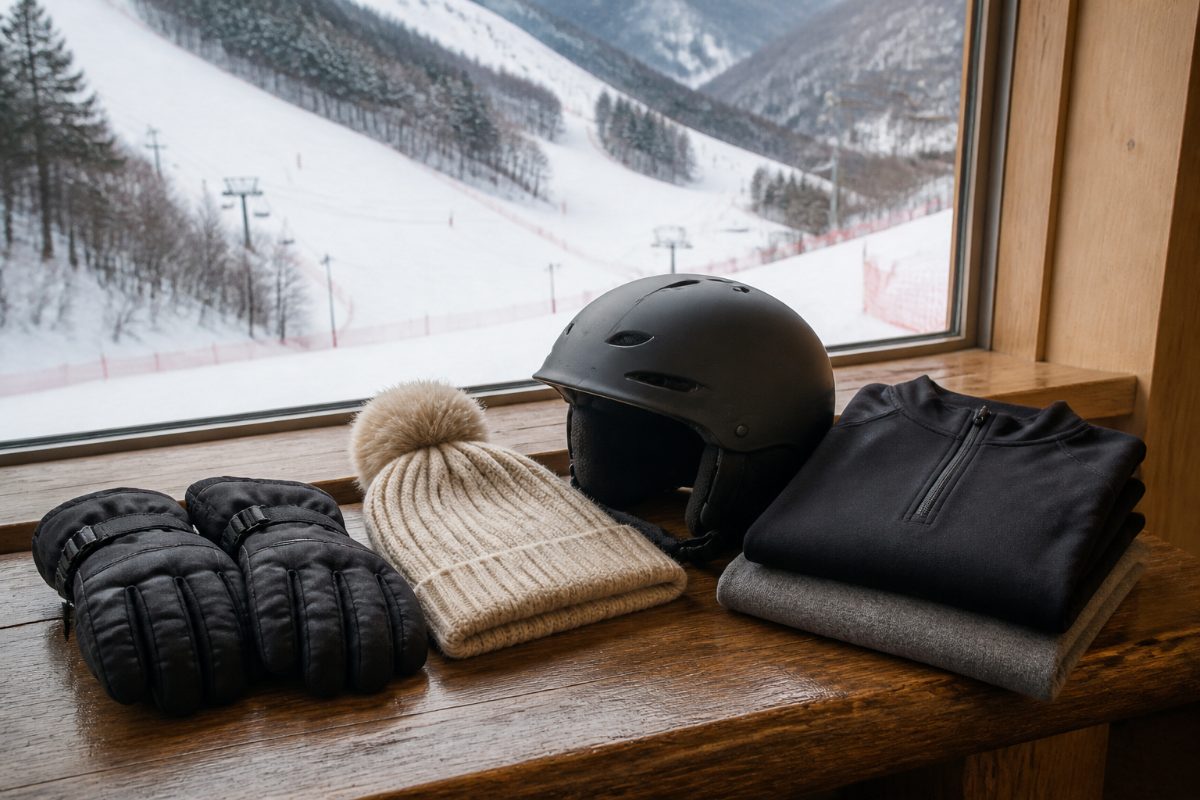
Do not assume that a clothing-and-equipment package includes every accessory. One account of Korean ski rentals says the private shops it describes did not rent gloves and instead sold them. Because that account covers particular shops, ask your provider what it currently rents or sells, or bring gloves you already own.
- Gloves: Confirm whether they are available to rent or buy. Bringing your own avoids having to depend on the shop’s stock.
- Warm layers: Wear comfortable base layers under rented outerwear. Choose clothing that lets you move easily rather than relying on a jacket-and-pants rental to provide every layer.
- Goggles or sunglasses: A ski guide recommends bringing ski goggles if you have them, or sunglasses as an alternative. Snow can reflect sunlight, so eye protection is a useful item to plan for.
- Sunscreen: The same guide recommends sunscreen on exposed skin and reapplying it during a long day outdoors.
- Helmet: Ask whether it is available through the rental provider and whether the resort requires one for the activity or lift access.
For High1, a resort guide says helmets are required on all ski lifts and that visitors who do not bring one need to rent one. It also reports that a helmet may be lent without charge to someone taking a lesson, but this is a specific account rather than a general rule for all visitors or resorts. If you are planning a High1 visit, check the resort’s current helmet and rental instructions before traveling.
A common planning mistake is to reserve “ski gear” and assume that this phrase covers clothing, gloves, and a helmet. Keep those categories separate in your checklist. That approach is also useful when booking a tour, since some listings identify clothing as an optional rental rather than part of the equipment set.
How should beginners choose a rental setup?
Beginners should tell the rental provider which activity they plan to try and ask for the package that matches it. Ski and snowboard equipment differ, and a bundle name alone does not tell you whether it contains the exact items you need.
If this is your first time skiing, start with the essentials and ask what the provider’s equipment set includes. Try the boots before leaving the rental area, and ask for help if the fit feels wrong. A High1 Resort guide reports that lessons are available in English and Korean. If you want a lesson, ask the lesson provider whether equipment rental is handled through the lesson package or arranged separately.
Some day-tour products include a lesson or offer one as part of a selected option, while other listings distinguish optional clothing rental from basic equipment. Read the option details rather than assuming that a lesson, lift ticket, equipment, and clothing are all bundled together. This is especially helpful for first-time visitors, who may not yet know which pieces are included in a standard equipment set.
Experienced skiers and snowboarders may have more specific preferences about equipment or outerwear. A nearby private shop can be worth comparing if it lists the items you want or offers a clothing-and-equipment bundle. The High1 guide describes nearby shops as more flexible about combining rentals with lift tickets or lessons, but that report is specific to its account and should not be treated as a universal offer.
| Your situation | Practical approach |
|---|---|
| First ski day and simplest logistics | Start with the resort counter or a tour option that clearly lists the included equipment. |
| First ski day with a lesson | Ask the lesson provider how to arrange equipment and clothing before booking separate rentals. |
| You want clothing and equipment together | Compare nearby-shop bundles and confirm each item, the total, and the transport arrangement. |
| You have particular equipment preferences | Ask the provider what equipment is available and check the fit before leaving the rental area. |
What should you check at pickup and return?
At pickup, compare what you receive with the itemized package you confirmed. A tour listing may define basic equipment as skis, poles, and boots, while another provider may describe a different set; checking each piece helps you notice a mismatch before leaving the rental area.
- Confirm that you have the correct equipment for skiing or snowboarding.
- Check that the boots and any listed poles are included.
- If you rented clothing, confirm that the jacket and pants are part of the package you selected.
- Try the boots and clothing and ask for a fitting adjustment if something feels uncomfortable or restricts movement.
- Confirm where each item must be returned and whether clothing and equipment go to the same location.
- If a private shop arranged pickup, confirm the return meeting point separately instead of assuming it is identical.
Keep the return instructions with your booking details. This matters when a rental is split between a resort counter, a nearby shop, or a tour operator, because the collection and return arrangements may not be identical. Ask the provider to state the return location plainly before you head out.
At High1, settle the helmet question before using a lift: the cited resort guide says helmets are required on all ski lifts. For other resorts, check the relevant provider or resort instructions rather than applying High1’s rule everywhere.
Frequently Asked Questions
Can I rent ski clothes and equipment together in Korea?
Some private shops and tour options offer clothing alongside equipment, but the included items depend on the provider and selected package. Ask whether the quote includes a jacket and pants, and check separately for boots, poles, and a helmet.
Is it better to rent at the resort or in a nearby town?
Resort counters are convenient, while nearby shops may offer different clothing choices, lower prices, or combined packages. At High1, a guide names Gohan and Sabuk as nearby rental areas; choose a town shop only after confirming how you will travel from it to the resort.
Are ski helmets included with rentals?
Helmet availability and rental terms depend on the provider. A High1 Resort guide says helmets are required on all its ski lifts and reports that visitors without one need to rent one, so check High1’s current instructions if you are going there.
Should I bring my own ski gloves?
Bring gloves if you already have a suitable pair, or ask the rental shop whether it rents or sells them. One account of private rental shops says they sold gloves rather than renting them, but that does not establish the policy at every resort or provider.
Key points to remember
Decide whether you need skis or a snowboard, then request an itemized quote that separates equipment from clothing. Compare resort counters and nearby shops based on your transport, schedule, and the exact package offered. Before leaving for the slopes, confirm gloves, helmet arrangements, sizing, pickup instructions, and the return location.
Rental availability, prices, package contents, and resort requirements can change by provider and season. For a High1 visit, check the resort’s current rental and helmet instructions; for any booking, use the selected provider’s details to confirm the price and inclusions before paying.
References
- High1 Resort South Korea: Ski Guide, Tips, And Lodging
- Skiing in Korea: Your Ultimate Guide to the Best Slopes, What to Expect, and More – there she goes again
- Jisan Ski Resort 1 Day Ski/Snowboard Tour from Seoul (with All-inclusive option)
- Complete Comparison of Korean Ski Resorts: Vivaldi Park vs. Yongpyong—Which One Is Right for You? (2026/27 Sea
- The best South Korea Ski & snowboard
- Beginners Guide to Skiing in Korea: Ski Resorts, Transport, Equipment Rental – They call me vis
- Hitting the slopes: Korea’s ski scene will surprise you : Korea.net : The official website of the Republic of
- Guide for Ski and Snowboard Season Gear Rentals in ...
Information in this post was checked as of November 2026. Policies and prices may change, so please verify important details with official sources.


Comments
Post a Comment