What Is Bungeoppang? A First-Timer’s Guide
Key Takeaways
- Bungeoppang is a Korean fish-shaped pastry, usually filled with sweet red bean paste.
- Vendors cook it in a fish-shaped mold with pancake-like batter, giving it a browned outer shell and a warm center.
- Red bean is the classic filling, while custard, sweet potato, chocolate, and savory options are also sold.
- It is closely associated with Korean winter street food, so ask the vendor which fillings are available before ordering.
Table of Contents
- What is bungeoppang, and why is it shaped like a fish?
- How is bungeoppang made at a street stall?
- What does bungeoppang taste like?
- Which bungeoppang filling should a first-timer choose?
- Why is bungeoppang associated with winter in Korea?
- How should you order and eat bungeoppang for the first time?
- Common first-timer mistakes to avoid
- Frequently Asked Questions
- Your first bungeoppang: a simple plan
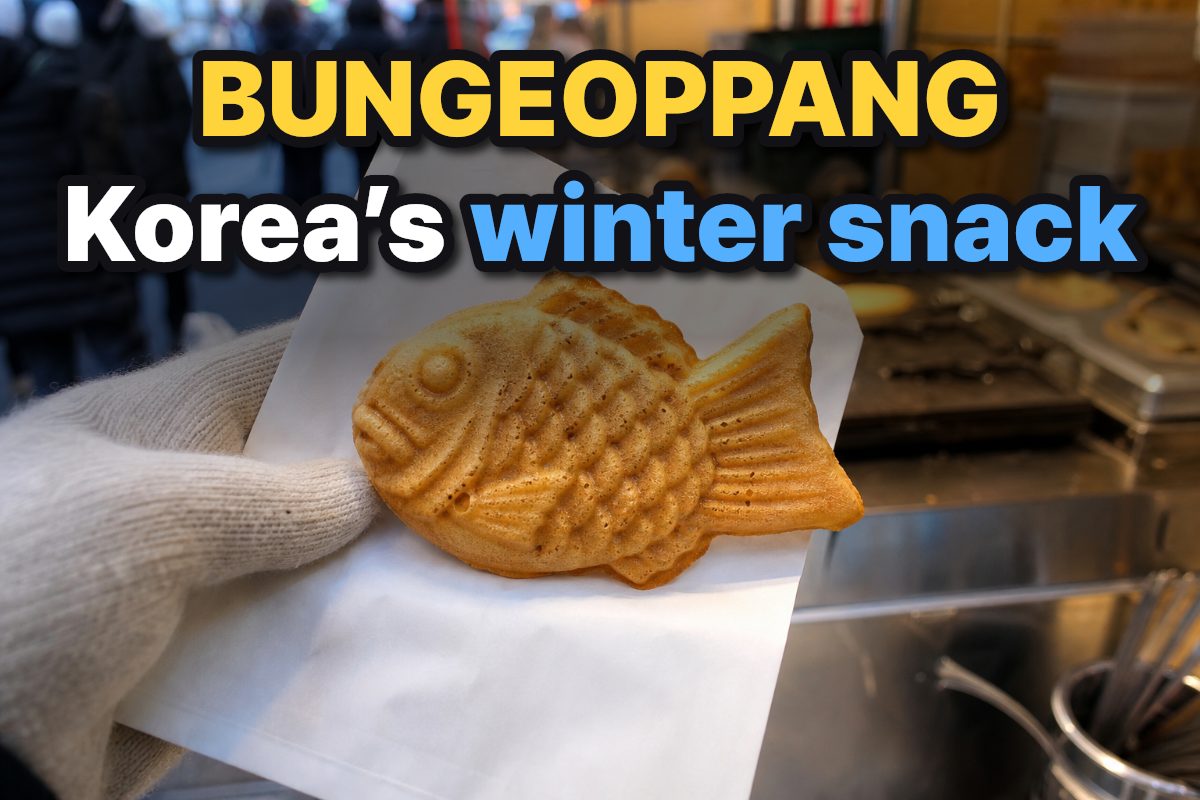
Bungeoppang is a small, fish-shaped Korean pastry cooked to order and most often filled with sweet red bean paste. For a first taste, think of a warm, lightly crisp pastry with a sweet center—not seafood: the fish shape is just the mold, and the name does not mean the snack contains fish.
What is bungeoppang, and why is it shaped like a fish?
Bungeoppang (붕어빵) literally means “carp bread.” It is a street pastry made by pouring thin, pancake-like batter into a fish-shaped mold, adding filling, and pressing the mold closed as the pastry cooks. Daebak describes this fish-shaped, filled pastry method; the finished snack is a baked cake, not a fish dish.
The fish outline is part of the food’s identity, rather than a clue to its ingredients. The Korea Times describes bungeoppang as a familiar Korean winter street food, and Korea.net introduces it as a flour-batter pastry traditionally paired with red bean paste.
How is bungeoppang made at a street stall?
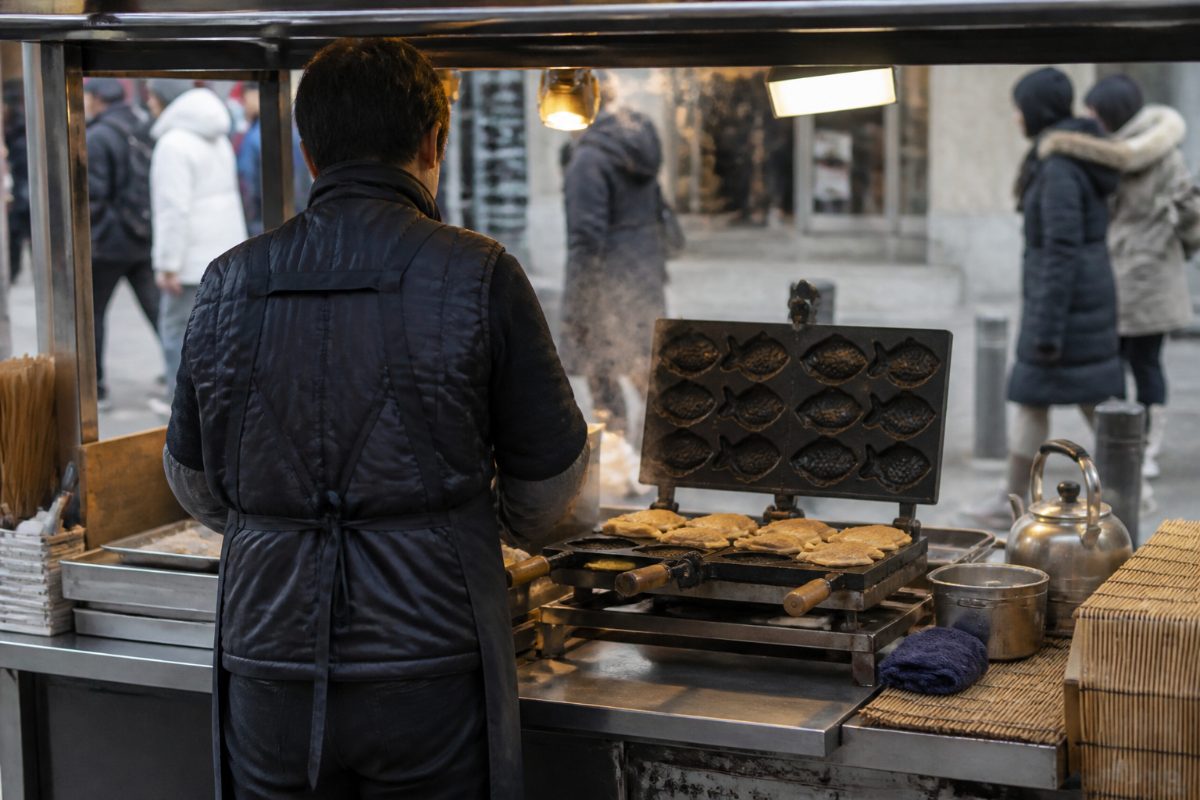
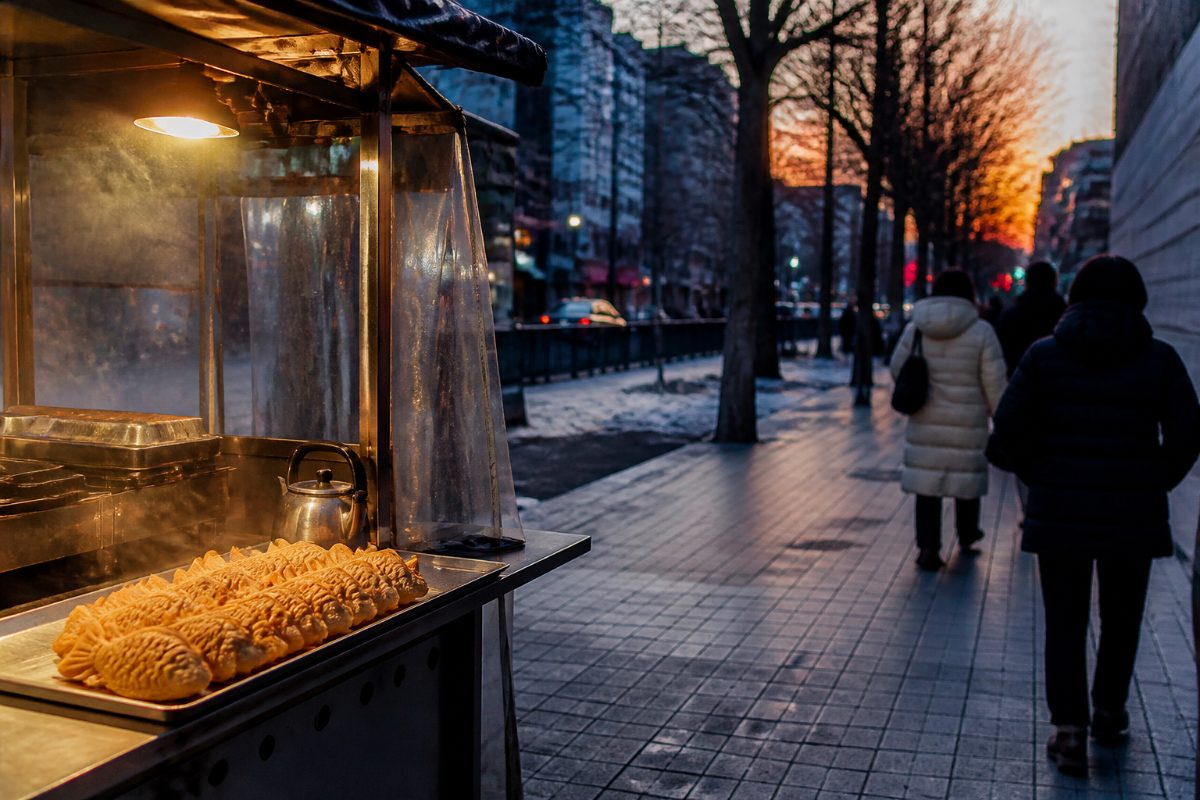
A vendor cooks bungeoppang in a hinged, fish-shaped metal mold, similar in principle to a waffle iron. Batter goes into the mold, the filling is added, and the mold is closed so the pastry cooks in its fish outline; Daebak describes the batter-and-press method, while Wikipedia notes the waffle-iron-like appliance used at stalls.
The mold shapes the outside and encloses the filling in the same cooking step. That is why the pastry is easy to hold as a street snack, while the center can stay very warm. Let the first bite release some heat rather than biting straight into the middle.
- Look at the fillings listed or ask what is available.
- Choose a filling before the vendor starts cooking, since the filling is put inside the batter.
- Allow the pastry to cool briefly, then bite from an edge and work toward the center.
What does bungeoppang taste like?
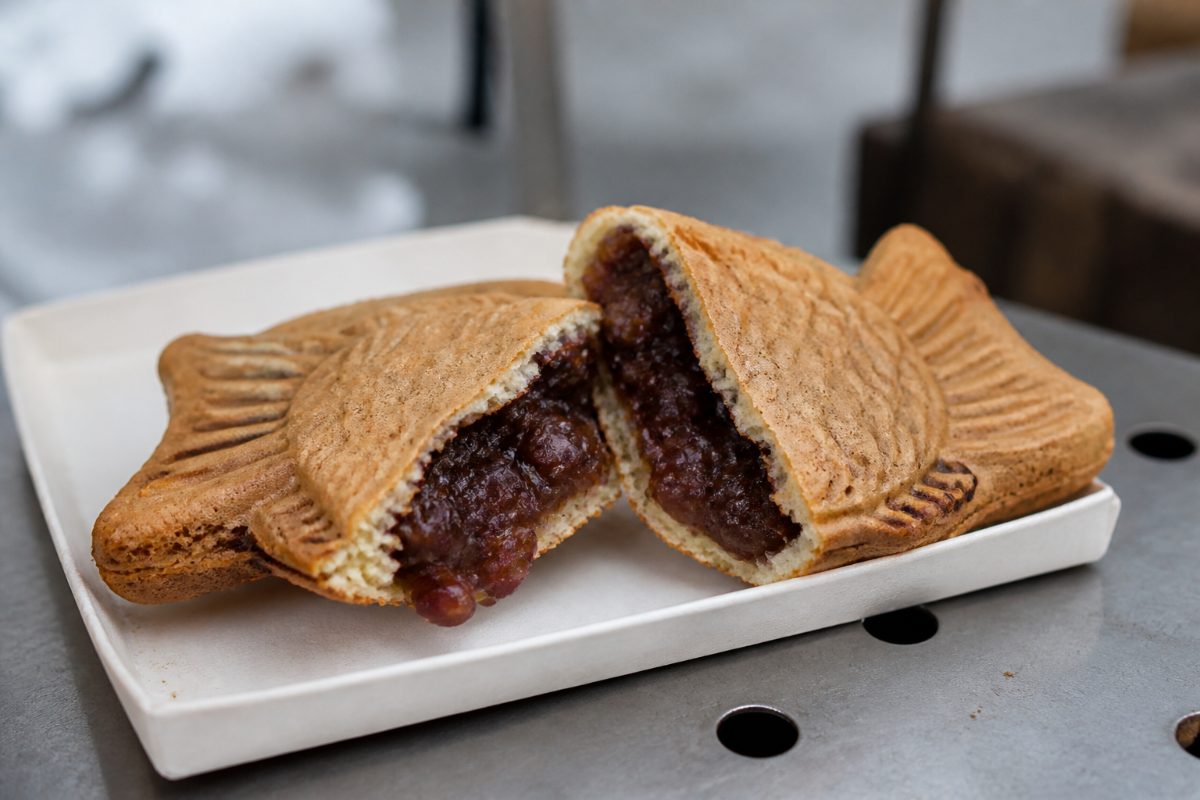
The classic version combines a browned, waffle-like shell with sweetened red bean paste. Korea.net describes the pastry as flour batter with nutty red bean paste, while The Korea Times identifies red bean as the traditional filling. The overall taste is gently sweet, with the filling providing more of the dessert-like flavor than the plain outer batter.
Texture can be part of the appeal: the outside cooks against the hot mold, while the filling stays soft. The ratio of shell to filling and the exact sweetness depend on the individual pastry, so one bungeoppang is best treated as a compact snack rather than a large filled dessert.
Which bungeoppang filling should a first-timer choose?
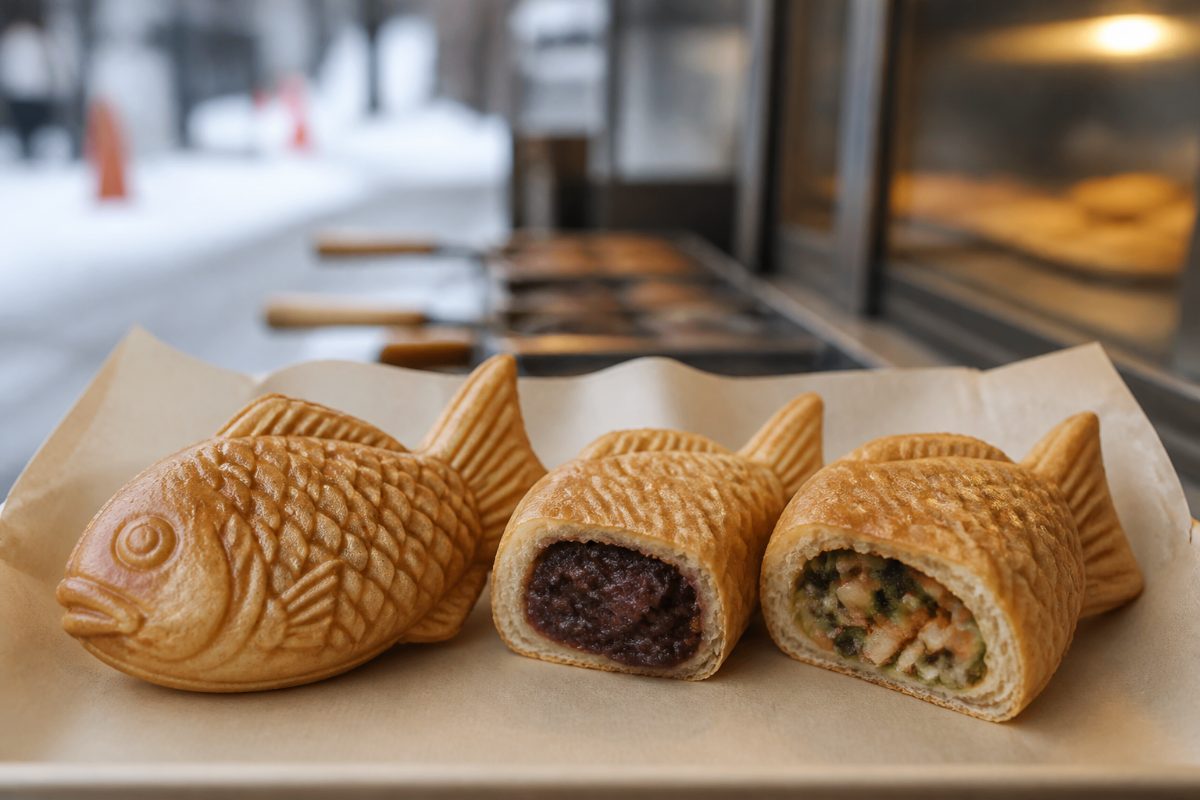
Red bean is the traditional starting point, but modern stalls may offer sweet and savory alternatives. The Korea Times lists custard cream, sweet potato, kimchi, and pizza-style fillings; Korea.net also mentions custard, sweet potato mousse, and pizza toppings. Availability depends on the stall, so do not assume every option will be on one menu.
| Filling | What to expect | Good fit for |
|---|---|---|
| Sweet red bean | The classic sweet, bean-based center. | First-timers who want to try the traditional version. |
| Custard cream | A creamy alternative described by The Korea Times and Korea.net. | Travelers who prefer a familiar, smooth dessert filling. |
| Sweet potato | A sweet option offered in some variations. | Anyone looking for something other than beans or cream. |
| Kimchi or pizza-style filling | Savory variations reported by The Korea Times. | Curious eaters who want to compare a nontraditional filling. |
Why is bungeoppang associated with winter in Korea?
Bungeoppang is regularly described as a winter street snack in South Korea. The Korea Times includes it among Seoul’s winter street foods, and Korea.net groups it with other snacks people seek out when the weather turns cold. A hot pastry is easy to eat while walking, which helps explain why it fits naturally into a cold-weather street-food stop.
The pastry also has a history that connects Korean food culture with a wider East Asian food tradition. Wikipedia traces bungeoppang to Japanese taiyaki, a fish-shaped pastry, and places its introduction to Korea around the 1930s. The shape changed from taiyaki’s sea-bream form to the carp form reflected in the Korean name. That background does not make the two pastries identical; it offers useful context for understanding how the Korean version developed.
How should you order and eat bungeoppang for the first time?
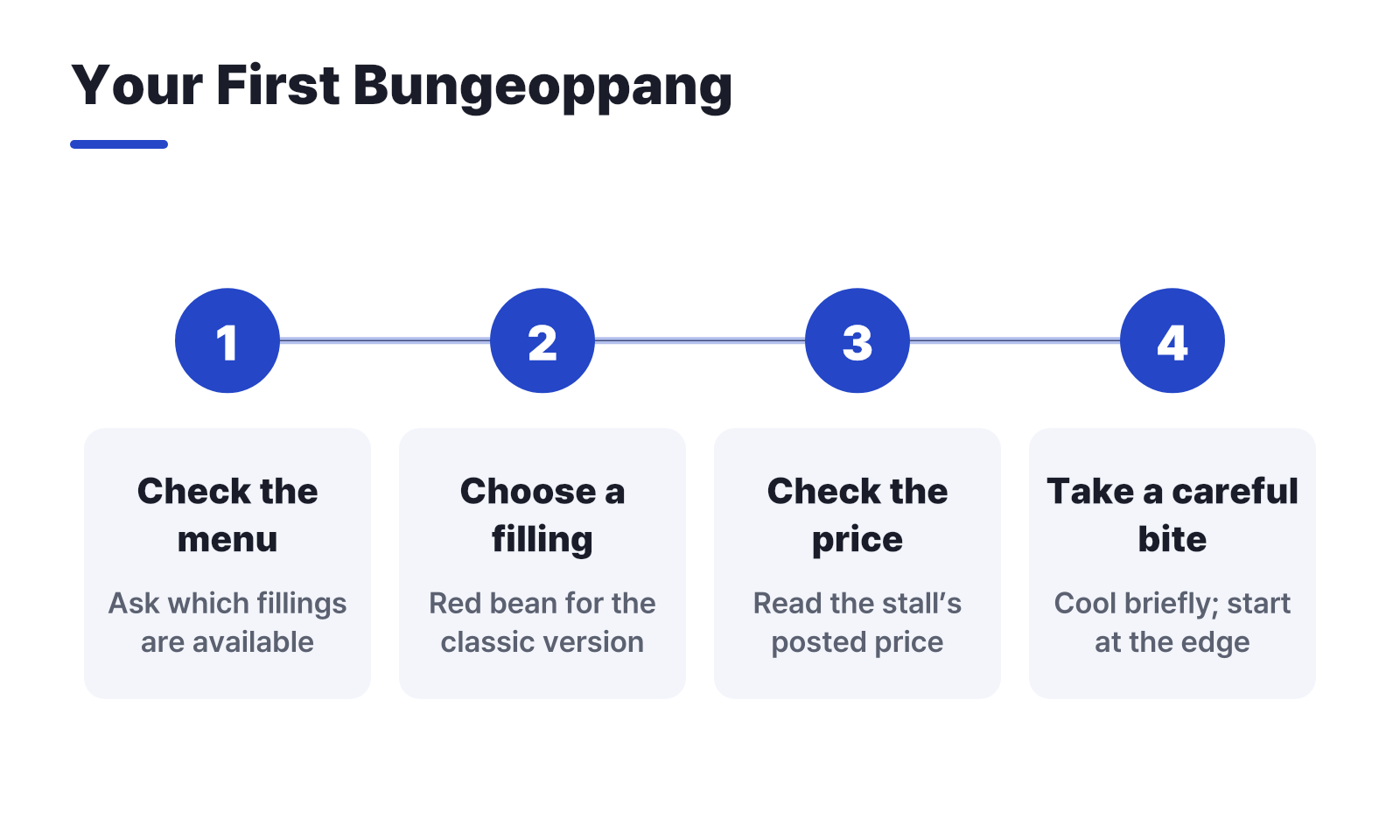
Start by asking which fillings are available, then name the one you want. If you want the classic version, ask for red bean; if you are unsure about the filling, ask before paying or placing an order. The main practical point is temperature: the pastry comes off a heated mold, so give it a moment and take a small first bite.
For a simple Korean phrase, you can ask, “팥 붕어빵 있어요?” (Do you have red bean bungeoppang?). If you have a food allergy or need to avoid a particular ingredient, ask the vendor about the batter and filling before ordering. Recipes vary from stall to stall, so the fish shape alone cannot tell you what a pastry contains.
- First-time visitor: Choose red bean to try the traditional pairing.
- Not keen on beans: Ask whether custard or sweet potato is available.
- Prefer savory snacks: Look for a stall that lists kimchi or pizza-style filling.
- Managing an allergy: Ask about both the batter and the filling; do not rely on the pastry’s appearance.
Common first-timer mistakes to avoid
The biggest misunderstanding is assuming bungeoppang contains fish because it is shaped like one. It is a pastry, and the fish form comes from the cooking mold; the standard filling described by The Korea Times and Korea.net is sweet red bean paste.
Another easy mistake is expecting every stall to sell every filling. Stalls sell different variations, and there is no universal menu. Ask what is available at the stall in front of you, especially if you want a specific sweet or savory option.
Finally, do not treat an old quoted price as a current one. Older articles quote prices that may be out of date, so check what the stall in front of you charges today. Check the stall’s displayed price before ordering rather than budgeting from a dated figure.
For more cold-weather snacks, see our guide to Korean winter street food beyond chestnuts.
Frequently Asked Questions
Does bungeoppang contain fish?
No. Bungeoppang is a fish-shaped pastry, and the shape comes from the cooking mold. Its traditional filling is sweet red bean paste, not fish.
Is bungeoppang sweet or savory?
The traditional red bean version is sweet. Some stalls also offer savory variations, including kimchi or pizza-style fillings, but the available choices depend on the vendor.
Is bungeoppang the same as taiyaki?
They are related fish-shaped pastries, but the names refer to versions associated with different food traditions. Wikipedia traces bungeoppang’s development to Japanese taiyaki and describes the Korean pastry’s carp shape.
When is bungeoppang most closely associated with eating in Korea?
It is commonly presented as a Korean winter street snack. The Korea Times and Korea.net both include it in their coverage of cold-weather food in South Korea.
Your first bungeoppang: a simple plan
When you spot a stall, ask which fillings are available, choose red bean for the traditional first taste, and check the posted price before ordering. Let the fresh pastry cool for a moment, then try a small bite from the edge; after that, you can decide whether a second one should be custard, sweet potato, or a savory variation.
References
- Bungeoppang Guide: Korea's Fish-Shaped Winter Snack | Daebak
- Bungeo-ppang - Wikipedia
- Ultimate guide to Seoul's winter street food - The Korea Times
- 5 Korea.net staff pick their favorite winter snacks in Korea : Korea.net : The official website of the Republi
Information in this post was checked as of November 2026. Prices, hours, and availability may change, so please verify important details with official sources.


Comments
Post a Comment