Is Jeju Island Worth Visiting in Winter? Pros & Trade-Offs
Key Takeaways
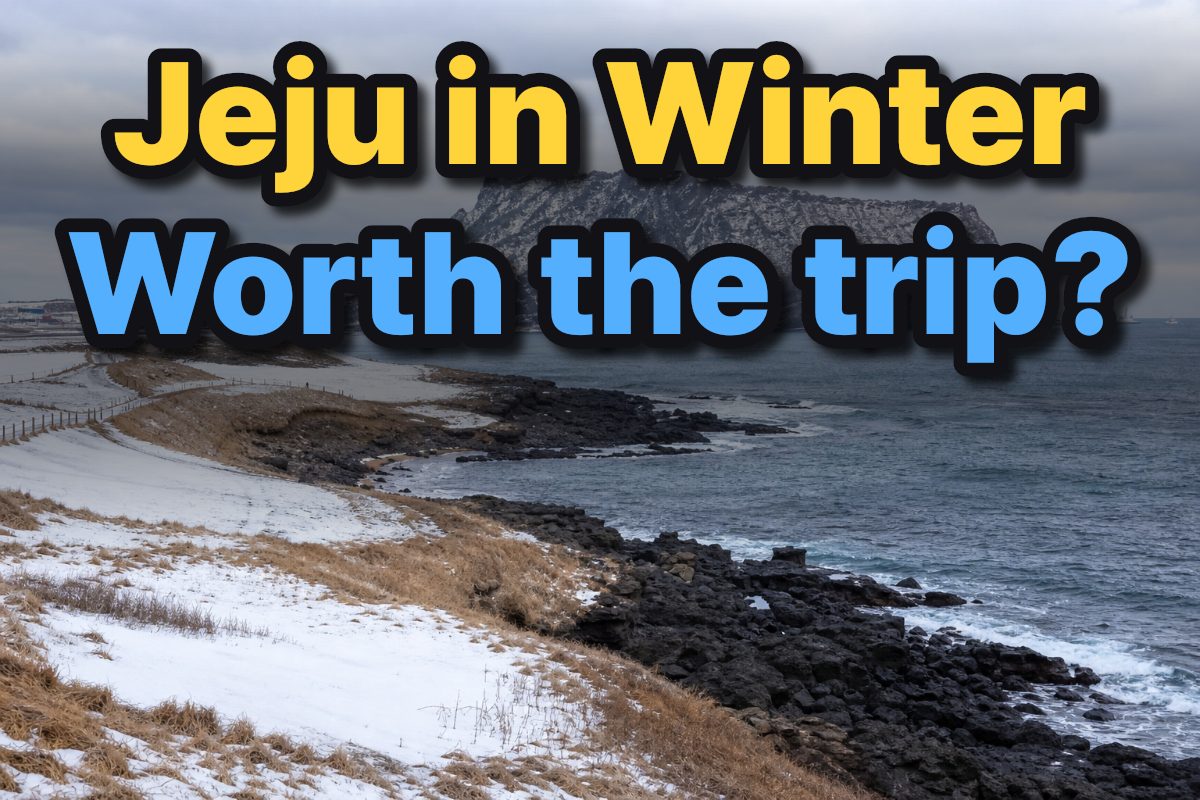
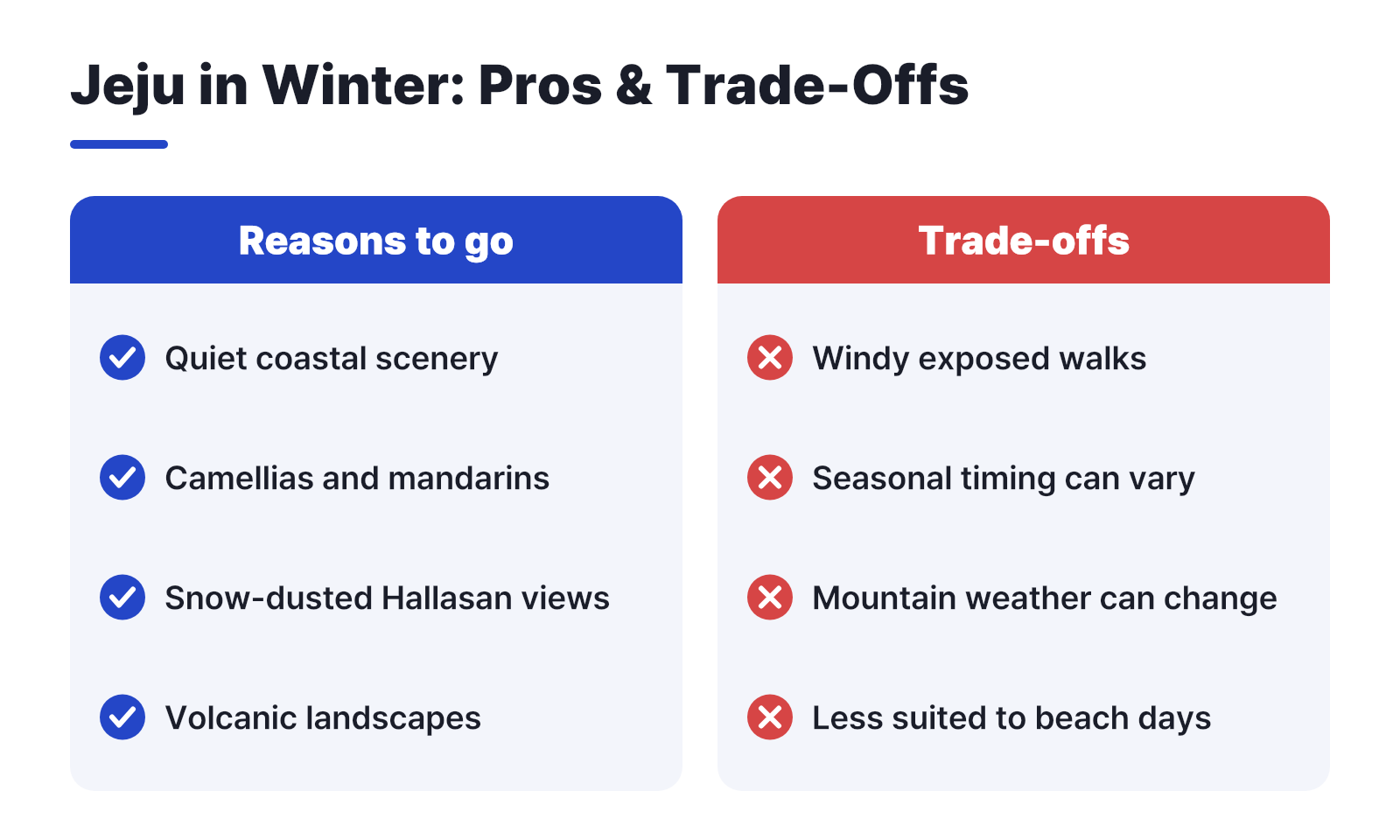
- Jeju Island is worth visiting in winter if you want quiet coastal scenery, camellia blooms, seasonal mandarins, or a snow-dusted view of Hallasan.
- Winter brings real trade-offs: wind, sudden mountain weather, and fewer reasons to plan a beach-centered trip.
- For a first visit, combine a coastal landmark such as Seongsan Ilchulbong with one seasonal garden or local food experience.
- Choose a Hallasan hike for the mountain experience, not as a guaranteed snow day; conditions can change quickly at elevation.
Table of Contents
- Is Jeju Island worth visiting in winter?
- What does Jeju winter weather mean for your plans?
- Which winter sights are especially worth seeing?
- Can you see camellias and pick mandarins in winter?
- Is Hallasan hiking a good idea in winter?
- How should first-time visitors plan a winter Jeju trip?
- When is Jeju in winter not the right choice?
- Frequently Asked Questions
- Bottom line: Is Jeju worth visiting in winter?
Jeju Island can be a rewarding winter trip, but it suits travelers looking for nature and a quieter pace more than warm-weather beach time. The island’s black volcanic coast, Hallasan scenery, winter camellias, and mandarins give you specific reasons to go, while wind and unpredictable mountain conditions call for a flexible plan.
Is Jeju Island worth visiting in winter?
Yes, if you want dramatic landscapes and seasonal experiences rather than swimming or reliably sunny days. Jeju’s official tourism guidebook describes winter as a season when Hallasan can turn white, mandarins are ready to pick, and camellias stand out against the winter scenery.
The decision comes down to what you want from the island. Travelers who enjoy quiet walks, rugged coastlines, and a chance to see Jeju’s landscape without a summer-focused itinerary can find plenty to do. If your main goal is warm beach weather, a winter visit is a less natural fit: the island’s winter appeal is its atmosphere and seasonal nature, not summer-style beach activity.
| A winter trip is a good fit if you want… | Think twice if you mainly want… |
|---|---|
| Coastal walks, volcanic scenery, and a quieter-feeling visit | Swimming, sunbathing, or consistently mild outdoor conditions |
| Camellias and seasonal mandarins | A trip built around a single activity that depends on clear weather |
| A mountain or hiking experience with flexible plans | To hike Hallasan without adjusting for weather or trail conditions |
What does Jeju winter weather mean for your plans?
Winter in Jeju is not the same everywhere on the island. VisitJeju’s official guidebook says temperatures in the city rarely fall below 32°F, but Hallasan has a different climate from the rest of the island. The guidebook also cautions that rain or fog can arrive on the mountain even when Jeju or Seogwipo is bright and sunny.
That contrast matters when you build a day around outdoor plans. A clear view from town does not tell you what conditions are like higher up, so treat Hallasan as a separate weather decision rather than assuming the island has one forecast. If the mountain is foggy or wet, shift to a lower-elevation outing or a coastal stop instead of trying to force the original plan.
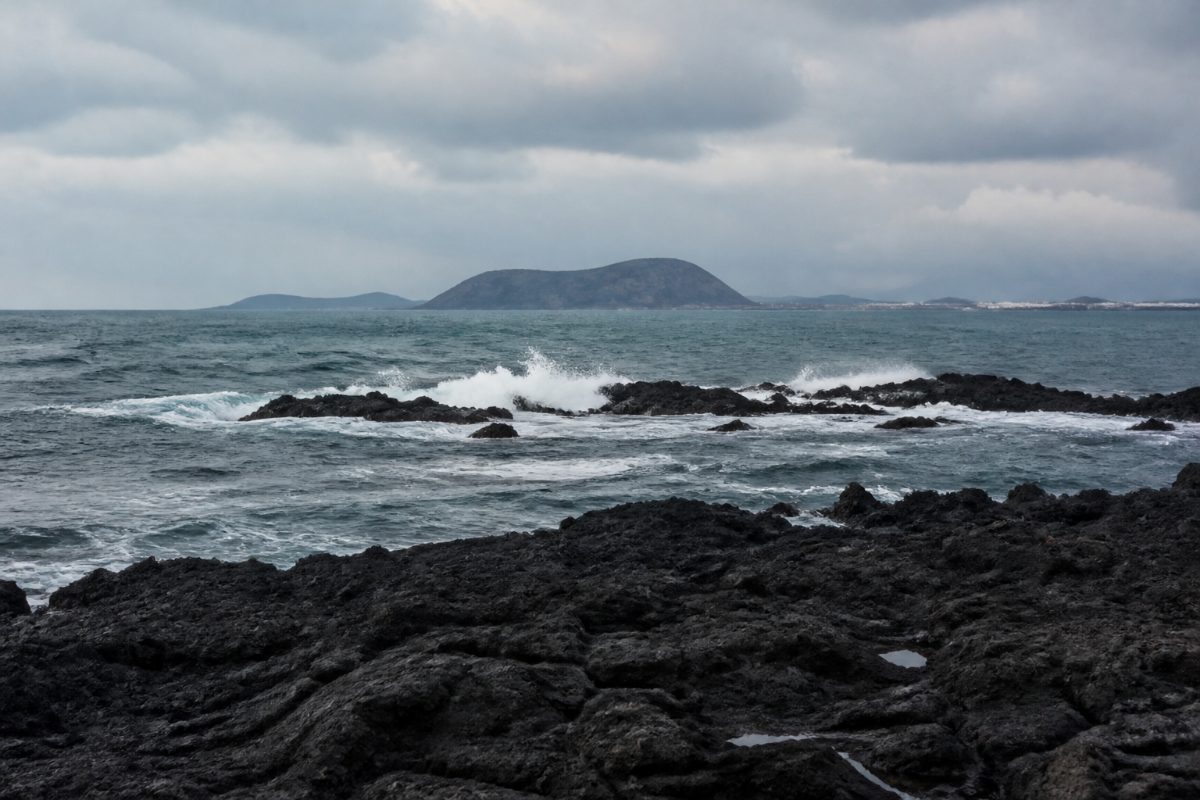
Winter can also mean blustery walks by the sea. Accor’s overview of Jeju in winter describes waves breaking against black lava rocks and a quieter atmosphere, while travel accounts also point to fewer tourists. The same conditions that make the coast feel stark and dramatic can make a long exposed walk less comfortable, so plan for short outdoor stretches with indoor breaks rather than treating every day as an all-day hike.
Which winter sights are especially worth seeing?
Seongsan Ilchulbong, also called Sunrise Peak, is a strong choice for a winter visit because it shows off Jeju’s volcanic landscape without requiring a mountain summit plan. Globetrotter Kyle describes the formation as one of the island’s most striking volcanic cones and notes that its scale stands out along the coast.
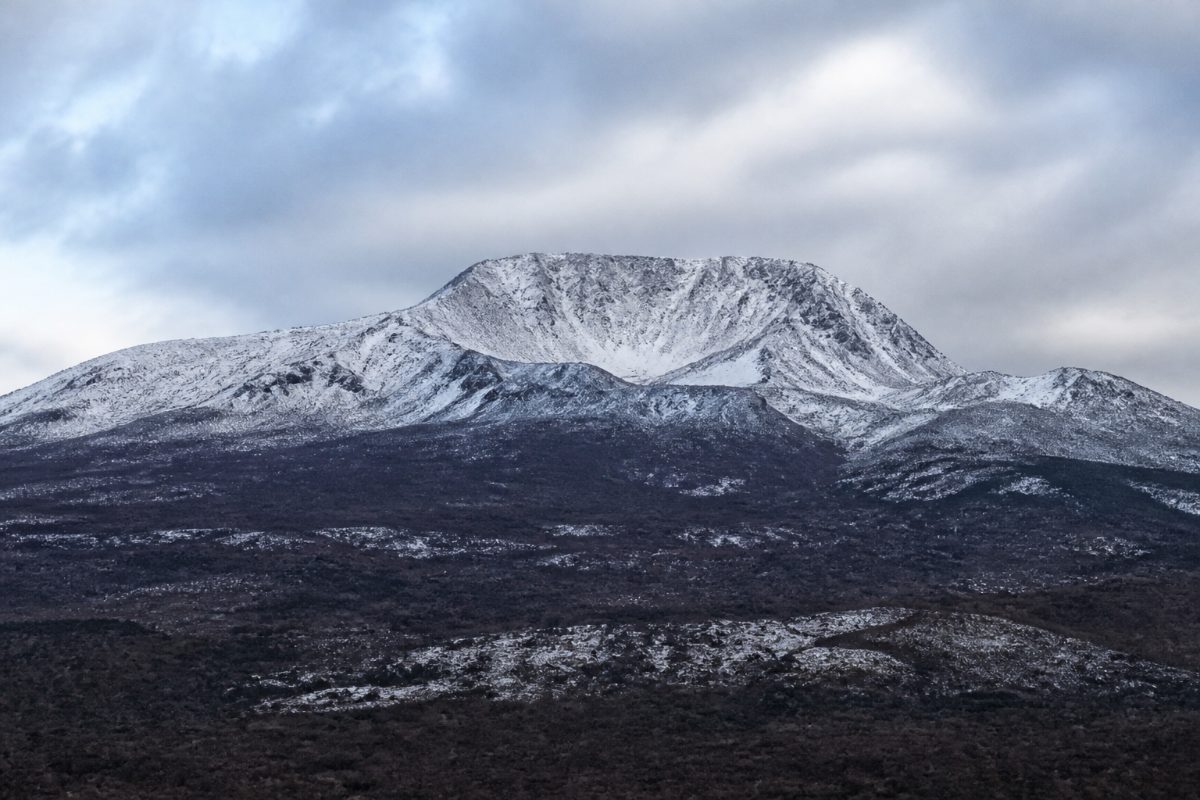
Hallasan is the other defining winter sight. Snow may appear on the mountain while lower parts of Jeju remain comparatively mild, creating a striking contrast between the peak and the island’s darker volcanic landscape. Accor also describes snow-dusted mountain scenery alongside the coast’s waves and black lava rocks.
For a lower-effort day, focus on the coast and choose a viewpoint or walk that fits the conditions. Jeju’s winter scenery is not only about snow: exposed rock, grey skies, and rough water can be part of the appeal. These are landscape experiences, though, rather than a promise of a particular view on a particular day.
Can you see camellias and pick mandarins in winter?
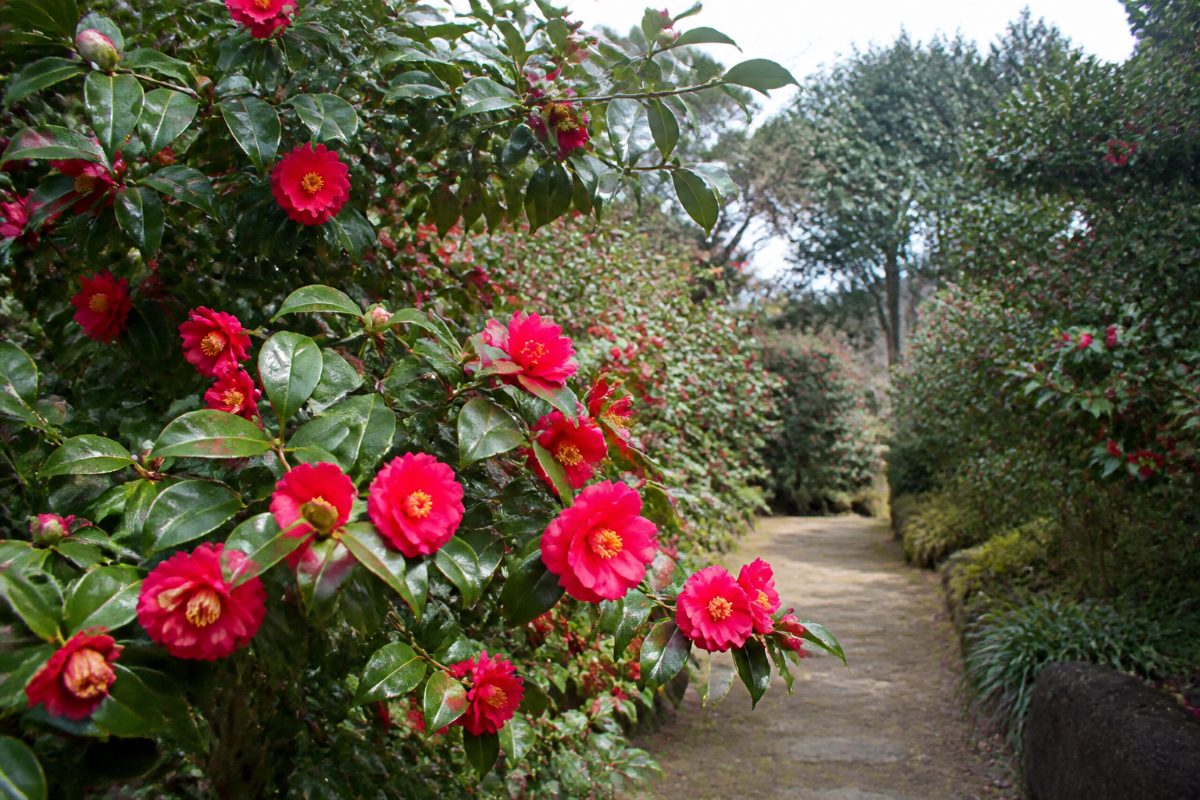
Yes. Winter and early spring are the season highlighted for camellias at Camellia Hill, with one travel account describing the garden’s camellia season as January through March. VisitJeju’s guidebook also identifies blooming camellias as part of Jeju’s winter scenery.
That timing makes a garden visit a useful alternative when wind or mountain weather makes a long outdoor outing less appealing. If flowers are a priority, plan your trip around the garden’s seasonal period rather than assuming camellias will be at their best throughout all of winter. The January-through-March window comes from a travel account, so check the garden’s current seasonal information before making it the centerpiece of a specific date.
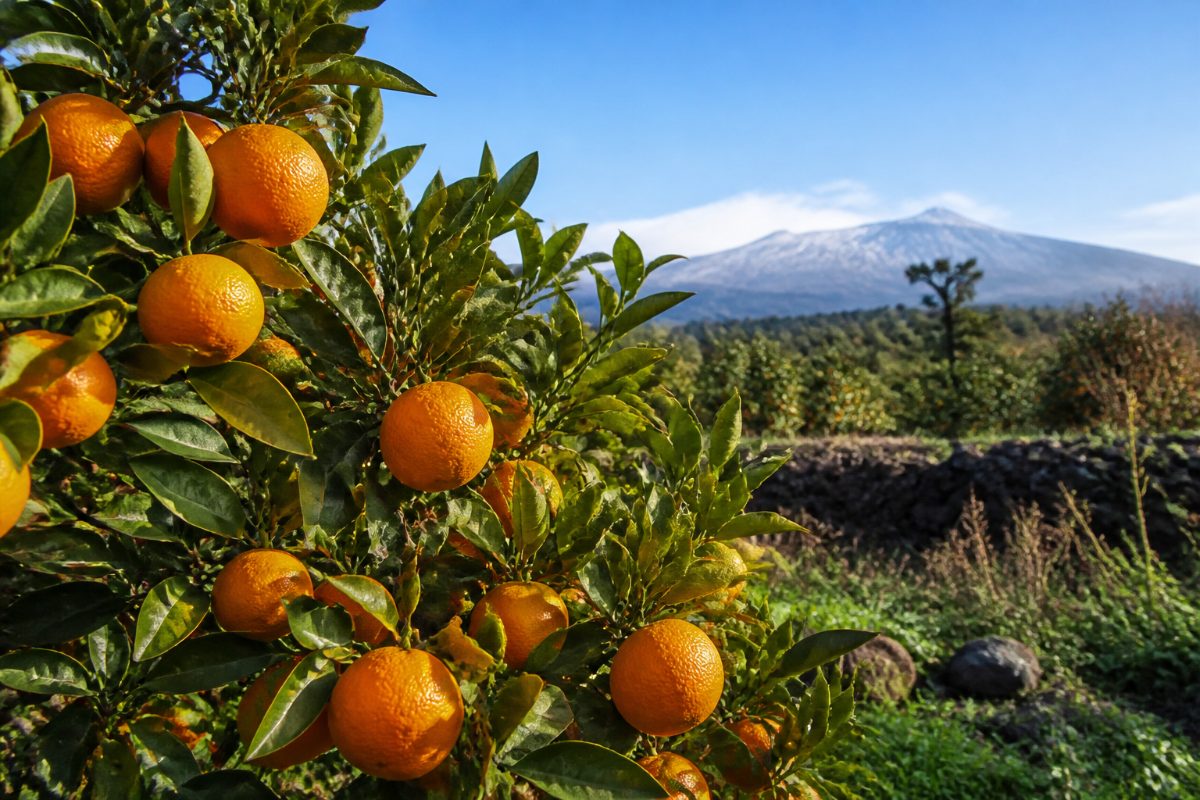
Mandarins are another winter draw. VisitJeju describes ripe mandarins as a seasonal feature, and a Jeju winter travel account highlights the fruit as something to taste during the season. Look for a local mandarin experience or simply make time to try the fruit; do not assume every farm or picking activity operates on the same schedule.
Is Hallasan hiking a good idea in winter?
It can be, if you are prepared to make the mountain the main activity and adapt to conditions. VisitJeju’s guidebook says Hallasan can have a completely different climate from the island’s cities, with sudden rain or fog, and describes the Eorimok Course as the easier route for enjoying Hallasan in winter scenery.
The guidebook gives a more demanding benchmark for hikers aiming to summit: its Seongpanak Trail description lists a distance of 9.6 kilometers and an estimated hiking time of 4 hours 30 minutes, with steep slopes and a long route. Those details make it a poor choice to treat as a casual add-on to a packed sightseeing day. The guidebook recommends it for people intent on conquering Hallasan, rather than presenting it as an easy winter stroll.
- Decide whether your goal is to enjoy winter mountain scenery or to attempt a longer summit hike.
- Check Hallasan’s official trail and weather information close to your planned hiking day.
- Keep a lower-elevation alternative in your schedule in case rain, fog, or trail conditions change the plan.
For a first-time visitor who is unsure about winter hiking, a guided outing can offer support in unpredictable weather; VickyFlipFlopTravels notes that a small-group Hallasan hike operates year-round. That does not remove the need to assess conditions, but it may be a more comfortable format than setting out alone.
How should first-time visitors plan a winter Jeju trip?
Build the trip around one main outdoor experience per day, then add a seasonal or lower-effort option. This approach is useful because Jeju’s weather can differ sharply between the city and Hallasan, and a day that starts sunny may not stay suitable for a mountain outing.
| Your travel style | A practical winter approach |
|---|---|
| First visit, not planning to hike | Pair a coastal landmark such as Seongsan Ilchulbong with a seasonal garden or a mandarin-focused food stop. |
| Interested in mountain scenery | Choose a Hallasan route based on whether you want a shorter scenery-focused outing or a demanding summit objective. |
| Traveling with a weather-sensitive schedule | Keep an indoor or lower-elevation alternative for any day centered on Hallasan or an exposed coastal walk. |
| Flowers are a priority | Target the camellia season described for January through March, and confirm current bloom and opening details before setting the date. |
A common planning mistake is treating “Jeju in winter” as a single weather condition. The official tourism guidebook specifically distinguishes Hallasan’s climate from the city and notes that rain or fog can develop on the mountain while lower areas are sunny. Separate mountain plans from lowland plans, and avoid making a summit attempt the only meaningful activity on a day.
When is Jeju in winter not the right choice?
Consider another season if your ideal Jeju trip centers on beach weather, long outdoor days in mild conditions, or a tightly scheduled summit hike with no room to adapt. Winter brings a distinctive landscape, but the same season can mean strong coastal winds and changing mountain conditions, as noted in travel accounts and Jeju’s tourism guidebook.
Jeju is still a reasonable choice if you can enjoy the island at a slower pace. A cloudy coastline, a garden visit, a seasonal taste of mandarins, and a mountain view from below can make a satisfying trip without needing perfect weather every day. If you are deciding between Jeju and another winter destination, ask whether you want a quiet island landscape or a trip centered more directly on snow sports and mountain scenery elsewhere.
Planning a Hallasan hike? Read our Hallasan winter hiking gear guide.
Frequently Asked Questions
Does it snow on Jeju Island in winter?
Snow can cover parts of Hallasan, and VisitJeju’s guidebook describes the mountain as white in winter. The city and the mountain can have very different conditions, so snow on the peak does not mean the whole island is snowy.
Is Jeju too cold to visit in winter?
Not necessarily. VisitJeju says temperatures in the city rarely fall below 32°F, but coastal wind and Hallasan’s colder, changeable conditions can make outdoor plans feel quite different from a city visit.
When can I see camellias on Jeju?
A travel account describes Camellia Hill’s camellia season as January through March, and VisitJeju includes camellia blooms among Jeju’s winter attractions. Check the garden’s current seasonal information before choosing exact dates.
Which Hallasan trail is best for winter scenery?
VisitJeju’s guidebook describes Eorimok as the easier path for enjoying Hallasan’s winter scenery. It describes Seongpanak as a longer, steep route for hikers intent on reaching the summit, so choose based on your experience and the day’s conditions.
Bottom line: Is Jeju worth visiting in winter?
Jeju is worth visiting in winter when you want seasonal nature, dramatic coastlines, and a calmer island experience—and when you are comfortable adjusting outdoor plans. Prioritize Seongsan Ilchulbong, camellias, mandarins, or Hallasan scenery according to your interests, and treat mountain weather as its own planning factor. For exact trail access, weather, and garden details, use the relevant official Jeju guidance close to your travel dates.
References
- Globetrotter Kyle - 5 Epic Attractions On Jeju Island in the Winter
- Jeju in Winter: Everything You NEED to Know Before You Go
- Travel Diary: A Guide to Jeju Island in Winter — evelyne park || evydraws
- Best Winter Experiences in Jeju Island
- Official Jeju Tourism Guidebook (Pocket Book)
Information in this post was checked as of November 2026. Prices, hours, and availability may change, so please verify important details with official sources.


Comments
Post a Comment